


Давутоглу: "Я надеюсь, что 21 век будет веком тюркоязычных стран". Турецкая дипломатия продолжает балансировать между востоком и западом.
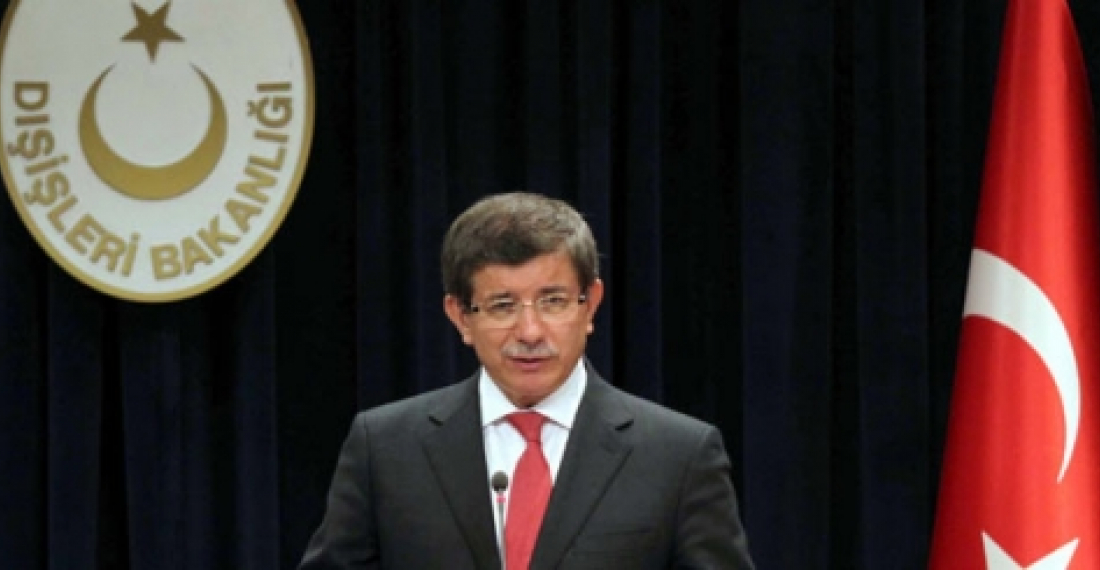

Министр иностранных дел Турции Ахмет Давутоглу заявил во вторник в Анкаре, что 21 век будет веком тюркоязычных стран, в то время, как Турция подписала соглашение с Советом сотрудничества тюркоязычных государств быть принимающей страной совета во время четвертой ежегодной конференции турецких послов. Давутоглу сказал, что деятельность совета, который был образован в 2010 году, направлена ​​на повышение экономического и дипломатического сотрудничества между тюркскими государствами и он будет расширен за счет включения других тюркских государств. В настоящее время совет имеет только четырех членов: Казахстан, Азербайджан, Кыргызстан и Турция, самый крупный член совета.

Основными целями совета является повышение экономического сотрудничества между государствами-членами, повышения взаимного сотрудничества в области культуры и туризма и сохранение культурно-исторического активов тюркского мира.

Давутоглу отметил, что тюркские государства [в Центральной Азии] в настоящее время самостоятельны и добились значительного прогресса в экономической и политической областях за 20 лет их независимости после распада Советского Союза.

"Я надеюсь, что 21 век будет веком тюркоязычных стран", сказал Давутоглу.

Отметив, что штаб-квартира Совета сотрудничества тюркоязычных государств будет располагаться в Стамбуле в рамках соглашения, Давутоглу сказал, что они хотят сделать Стамбул центром международных организаций. Турция хочет рассматривать Стамбул в качестве глобального дипломатического центра ООН, отметил министр.

Во вторник Министерство иностранных дел подписало соглашение с Муниципалитетом Митрополита Стамбула о тесном сотрудничестве, так как Стамбул, как представляется, будет новым центром экономических и дипломатических отношений на мировой арене.

Стамбул станет финансовым центром, позиционируя себя в качестве главного вокзала для глобальной экономической сети и транспортных путей, сказал Давутоглу. Еще одной важной целью является сделать Стамбул центром культурной и интеллектуальной деятельности, т.к. у города удивительная история, добавил он.

Подписав соглашение о тесном сотрудничестве с муниципалитетом, он отметил, что министерство намерено наладить свое присутствие различной дипломатической деятельностью в городе. Он сказал, что чиновники муниципалитета пройдут дипломатическую подготовку т.к. миллионы туристов ежегодно посещают исторический город, который также проводит сотни международных конференций по дипломатическим или экономическим вопросам.

В свою очередь, дипломаты пройдут подготовительные курсы по культуре и истории Стамбула, они будут проведены историками, которые работают в качестве экспертов и консультантов в муниципальном образовании.

Выступая на четвертой ежегодной конференции послов, заместитель премьер-министра Али Бабаджан отклонил популистскую критику ЕС в Турции, заявив, что критерий политической системы, институтов и судебной системы ЕС по-прежнему значимы, хотя иногда отношения ухудшались из-за политических споров в некоторых областях.

Делая презентацию для послов под названием "Экономический кризис в ЕС, ее возможные политические последствия и Турция", он сказал, что процесс вступления в ЕС не будут заложником популизма в Турции, указывая на значение союза для укрепления демократии в стране.

По словам Бабаджана, недавнее законодательство во Франции, которое делает отказ от предполагаемого армянского геноцида преступлением, наказуемым на один год тюремного заключения и штраф в размере 45 000 евро был смертельным ударом по свободе выражения мнения, которая рассматривается, как один из основополагающих принципов ЕС.

Источник: commonspace.eu по материалам Todays' Zaman и других агенств

Related articles

Editor's choice
News
Council of Europe launches new International Claims Commission for Ukraine

Council of Europe launches new International Claims Commission for Ukraine

Thirty-four countries and the European Union have signed a new convention establishing an International Claims Commission for Ukraine at a diplomatic conference co-hosted by the 46-nation Council of Europe and the Netherlands in the Hague. The diplomatic conference was attended by leaders and high-level representatives from over 50 states, including the President of Ukraine, Volodymyr Zelenskyy, the President of the Republic of Moldova, Maia Sandu, and the Prime Minister of the Netherlands, Dick Schoof.  “Today marks a major step forward in ensuring accountability for Ukraine. The International Claims Commission represents justice and hope for tens of thousands of victims—our determination that those who have suffered will not be forgotten. I call for quick ratifications so we can get the commission rapidly up and running for the people of Ukraine,” said Council of Europe Secretary General Alain Berset. Ukrainian President Volodymyr Zelenskyy said: “We expect that every mechanism for compensation from the Register of Damage and Claims Commission to the actual payments – will start working and receive strong and sufficient international support, so that people can truly feel that any kind of damage caused by the war can be compensated. This war, and Russia’s responsibility for it, MUST become a clear example – so that others learn not to choose aggression.” “Accountability is about creating the conditions for peace that endures. And therefore, accountability is a condition of security – today and for the future. But accountability is not only about Ukraine. And it is not only about one aggressor and one victim. Accountability is about Europe. About every country in Europe. It is about whether Europe, as a whole, is willing to defend its peace,” said Maia Sandu, President of the Republic of Moldova, which currently holds the Presidency of the Council of Europe’s Committee of Ministers. The Prime Minister of the Netherlands, Dick Schoof, said: “Every day Russia is deliberately bombarding homes, destroying businesses and damaging infrastructure in Ukraine. Russia must compensate Ukraine for the damage caused. That is why we have launched the International Claims Commission for Ukraine and we are honoured to host it.” The International Claims Commission will be the second part of a comprehensive compensation mechanism related to Russia’s war of aggression, building on the existing Register of Damage for Ukraine. The claims commission will be established within the framework of the Council of Europe and will also be open to other countries. The Register of Damage for Ukraine, created in 2023, collects and records compensation claims submitted by individuals, organisations and public bodies in Ukraine. Forty-four states and the European Union have so far joined the Register, which has already received 86,000 claims. The International Claims Commission will review, assess and decide upon claims submitted to the Register of Damage for Ukraine and determine the amount of compensation, if any, which is due in each case. The convention establishing the commission will enter into force once it has been ratified by 25 signatories, as long as sufficient funds have been secured to support its initial work.

Popular

Editor's choice
News
Council of Europe launches new International Claims Commission for Ukraine

Council of Europe launches new International Claims Commission for Ukraine

Thirty-four countries and the European Union have signed a new convention establishing an International Claims Commission for Ukraine at a diplomatic conference co-hosted by the 46-nation Council of Europe and the Netherlands in the Hague. The diplomatic conference was attended by leaders and high-level representatives from over 50 states, including the President of Ukraine, Volodymyr Zelenskyy, the President of the Republic of Moldova, Maia Sandu, and the Prime Minister of the Netherlands, Dick Schoof.  “Today marks a major step forward in ensuring accountability for Ukraine. The International Claims Commission represents justice and hope for tens of thousands of victims—our determination that those who have suffered will not be forgotten. I call for quick ratifications so we can get the commission rapidly up and running for the people of Ukraine,” said Council of Europe Secretary General Alain Berset. Ukrainian President Volodymyr Zelenskyy said: “We expect that every mechanism for compensation from the Register of Damage and Claims Commission to the actual payments – will start working and receive strong and sufficient international support, so that people can truly feel that any kind of damage caused by the war can be compensated. This war, and Russia’s responsibility for it, MUST become a clear example – so that others learn not to choose aggression.” “Accountability is about creating the conditions for peace that endures. And therefore, accountability is a condition of security – today and for the future. But accountability is not only about Ukraine. And it is not only about one aggressor and one victim. Accountability is about Europe. About every country in Europe. It is about whether Europe, as a whole, is willing to defend its peace,” said Maia Sandu, President of the Republic of Moldova, which currently holds the Presidency of the Council of Europe’s Committee of Ministers. The Prime Minister of the Netherlands, Dick Schoof, said: “Every day Russia is deliberately bombarding homes, destroying businesses and damaging infrastructure in Ukraine. Russia must compensate Ukraine for the damage caused. That is why we have launched the International Claims Commission for Ukraine and we are honoured to host it.” The International Claims Commission will be the second part of a comprehensive compensation mechanism related to Russia’s war of aggression, building on the existing Register of Damage for Ukraine. The claims commission will be established within the framework of the Council of Europe and will also be open to other countries. The Register of Damage for Ukraine, created in 2023, collects and records compensation claims submitted by individuals, organisations and public bodies in Ukraine. Forty-four states and the European Union have so far joined the Register, which has already received 86,000 claims. The International Claims Commission will review, assess and decide upon claims submitted to the Register of Damage for Ukraine and determine the amount of compensation, if any, which is due in each case. The convention establishing the commission will enter into force once it has been ratified by 25 signatories, as long as sufficient funds have been secured to support its initial work.


