


Баку новая мировая столица шпионажа? Лондонская "Times" сравнивает столицу Азербайджана с Осло во времена Первой Мировой войны, и с Касабланкой во времена Второй Мировой войны.

В Баку всегда ощущалось чувство космополитизма, столица Азербайджана, город на берегу Каспийского моря. Важная остановка по маршруту старого шелкового пути, центр нефтяных магнатов в начале 20-го века и современный центр для деятелей бизнеса и культуры, Баку шумный и толерантный город, и город, который в течение длительного времени привлекает большое количество иностранцев. Нефтяное богатство Азербайджана помогло преобразить город до неузнаваемости в течение очень короткого периода времени.

Однако, похоже, что в Баку происходит гораздо больше, чем может показаться на первый взгляд. Лондонская "Times" вчера опубликовала репортаж, в котором сравнивает современный Баку с Осло во времена Первой Мировой войны и с Касабланкой во времена Второй Мировой войны и делает предположение, что в настоящее время Баку является шпионской столицей мира. В обзоре говорится о десятках агентах Моссада и сотнях иранских агентах, действующих открыто в этой стране и следящих за друг другом. В статье говорится, что в последние годы в Азербайджане были созданы различные средства сбора информации, в том числе два американских, ориентированных в первую очередь на Иран. В докладе говорится, что маловероятно, что Азербайджан будет использован в качестве перевалочного пункта для большого военного удара по Ирану, но он служит в качестве места для сбора информации по Ирану, и статья описывает приграничный район Азербайджана с Ираном, как "серая зона", где полно шпионов и шпионов, следящими за шпионами.

Правительство Азербайджана пока не прокомментировало это сообщение, но история в "Times" опубликована на фоне увеличивающихся слухов об отношениях между Ираном и его соседями на Кавказе.

Источник: commonspace.eu по материалам The Times (Лондон)

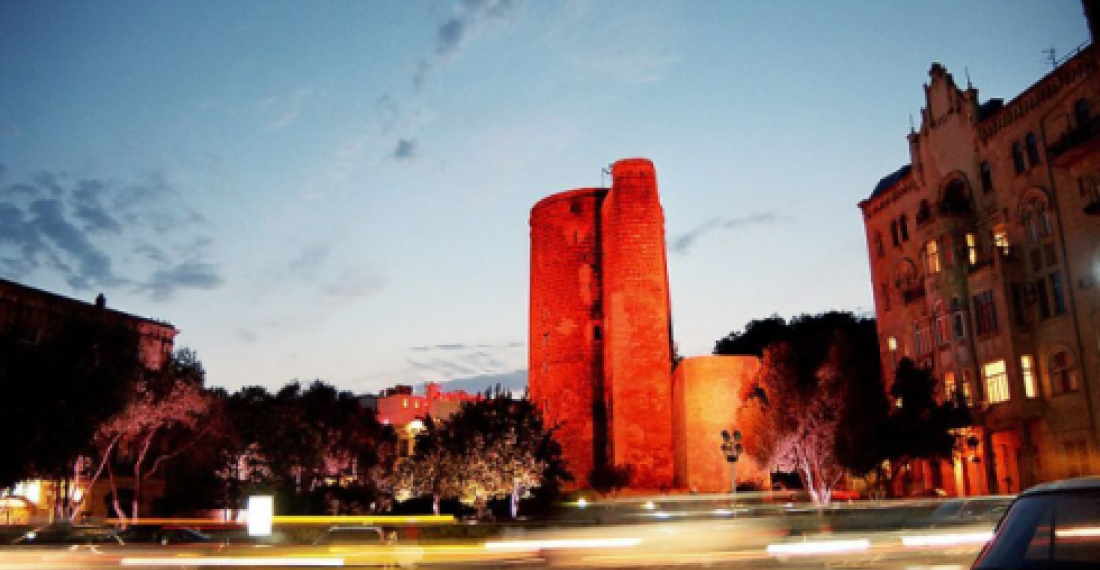
Фото: "Девичья башня" исторический памятник города Баку, столицы Азербайджана

Related articles

Editor's choice
News
The British prime minister says Europe must "stand on its own two feet" when it comes to defence

The British prime minister says Europe must "stand on its own two feet" when it comes to defence

The UK will deploy a carrier strike group, led by the aircraft carrier HMS Prince of Wales to the Arctic and the High North as part of efforts to bolster security against Russian threats. British prime minister, Sir Keir Starmer announced the deployment in a speech on Saturday (14 February) at the Munich Security Conference. Europe must be ready to fight to protect its people, values, and way of life,  Sir Keir told the Conference. Starmer also called for deeper links and cooperation, including economic ties, between the UK and EU. The PM stressed the continent must "stand on its own two feet" when it comes to defence commitments. "We must build our hard power, because that is the currency of the age," he told the conference. (Click image to read the full story).

Popular

Editor's choice
Interview
Thursday Interview: Murad Muradov

Thursday Interview: Murad Muradov

Today, commonspace.eu starts a new regular weekly series. THURSDAY INTERVIEW, conducted by Lauri Nikulainen, will host  persons who are thinkers, opinion shapers, and implementors in their countries and spheres. We start the series with an interview with Murad Muradov, a leading person in Azerbaijan's think tank community. He is also the first co-chair of the Action Committee for a new Armenian-Azerbaijani Dialogue. Last September he made history by being the first Azerbaijani civil society activist to visit Armenia after the 44 day war, and the start of the peace process. Speaking about this visit Murad Muradov said: "My experience was largely positive. My negative expectations luckily didn’t play out. The discussions were respectful, the panel format bringing together experts from Armenia, Azerbaijan, and Turkey was particularly valuable during the NATO Rose-Roth Seminar in Yerevan, and media coverage, while varied in tone, remained largely constructive. Some media outlets though attempted to represent me as more of a government mouthpiece than an independent expert, which was totally misleading.  Overall, I see these initiatives as important steps in rebuilding trust and normalising professional engagement. The fact that soon a larger Azerbaijani civil society visits to Armenia followed, reinforces the sense that this process is moving in the right direction." (click the image to read the interview in full)


