


Азербайджан обдумывает принятие закона "Об оккупированных территориях"
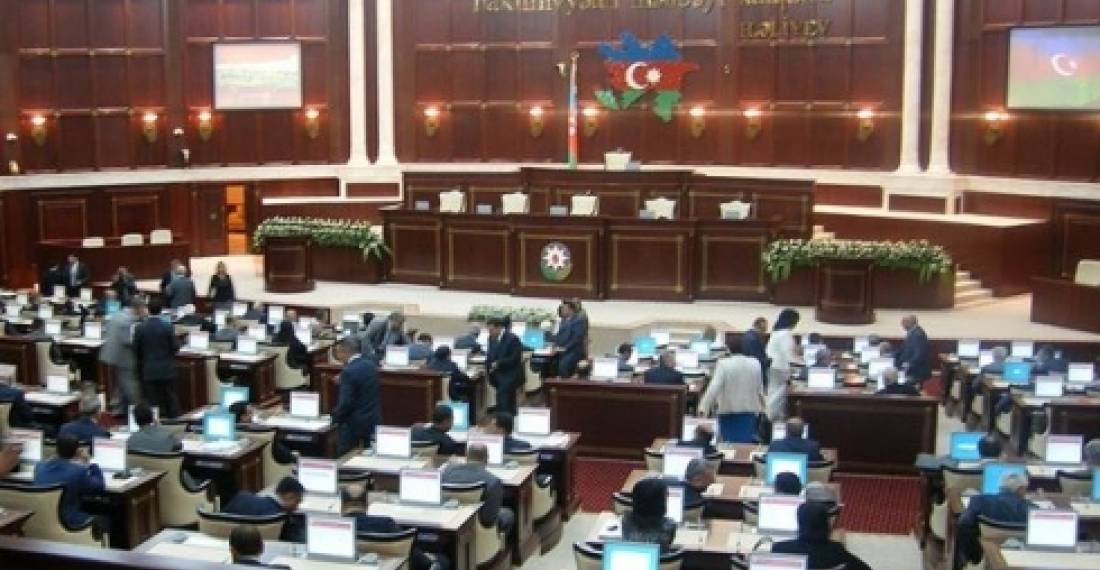
Принятие отдельного закона о Карабахе было предложено в парламенте Азербайджана, после обсуждений несколько дней назад в ходе которых некоторые депутаты раскритиковали комментарий министра иностранных дел России Сергея Лаврова, сделанные во время его визита в Ереван.

"Если в Азербайджане будет единый закон об оккупированных территориях, армяне-сепаратисты в Карабахе не смогут участвовать в каких-либо экономических программах", заявил во вторник Агентству Trend News член парламентского комитета по вопросам безопасности и обороны Захид Орудж. По его словам, это также заставит международные организации отказаться от выделения средств Нагорному Карабаху.

"Армяне-сепаратисты Карабаха налаживают связи с различными зарубежными организациями. Посредством посольств за рубежом Азербайджан направляет ноты, заявления. Но после принятия конкретного закона о Карабахе как территории Азербайджана его суверенные права будут безоговорочно учитываться, любые зарубежные, экономические и политические связи Карабаха признаваться не будут", - сказал он.

По положениям закона, будет запрещено подписывать любые договоры с какими-либо структурами в ущерб Карабаху, любые международные или национальные документы, связанные с Карабахом, будут объявлены недействительными, отметил депутат.

Часто граждане различных зарубежных стран, деятели культуры и искусства, а иногда и парламентарии едут в Карабах, сказал Орудж. Их имена вносятся только в "черный список", подготовленный в МИД республики, тогда как это можно реализовать на уровне закона.

"Я подготовил аналогичный законопроект по Карабаху", - заявил во вторник Агентству Trend депутат Милли Меджлиса, член парламентского комитета по правовой политике и государственному строительству Гудрат Гасангулиев.

Он сказал, что неоднократно поднимал этот вопрос на предыдущих сессиях парламента, и подчеркнул важность принятия закона об оккупированных территориях. По его словам, подготовленный законопроект будет передан в комитет, который он представляет.

Политический редактор Commonspace.eu говорит в комментарии, что "Грузия приняла аналогичный закон, после войны 2008 года с Россией, и это было предметом многих споров и напряженности в отношениях с международным сообществом. Этот закон был в конечном счете смягчен, но многие по-прежнему считают, что он не является ни полезным для Грузии, ни для усилий, направленных на решение проблем в Абхазии и Южной Осетии. Этот закон делает эти территорий еще более зависимыми от России, он изолирует их от более широких международных процессов, и это подрывает усилия по укрепление доверия между общинами, разделенных конфликтом. Аналогичный закон в Азербайджане будет иметь тот же эффект и даже хуже. Азербайджан уже имеет строгую политику в отношении взаимодействия с де-факто властями Нагорного Карабаха. Такая политика не всегда осуществляется равномерно и существует необходимость большей прозрачности в этом вопросе.

Политический редактор Commonspace.eu добавил: "Многие из проблем правительств Грузии и Азербайджана могут решаться на основе международного права и не нуждаются в конкретном внутреннем законодательстве. Если Парламент Азербайджана решил продвинуть вперед идею отдельного закона по этому вопросу, то ему стоит провести широкие консультации с международным сообществом для того, чтобы убедиться, что законодательство не будет создавать вредных и неожиданные побочных эффектов".

Источник: commonspace.eu по материалам Агентства Trend

Фото: Парламент Азербайджана (фото из архива)

Related articles

Editor's choice
News
Pope Leo XIV, has called on world leaders to lay down their weapons and choose “encounter” over domination

Pope Leo XIV, has called on world leaders to lay down their weapons and choose “encounter” over domination

The leader of the Catholic Church, Pope Leo XIV, has called on world leaders to lay down their weapons and choose “encounter” over domination. “Let those who have weapons lay them down!”, the Pope urged on Easter Sunday in his traditional Urbi et Orbi message. Speaking to the tens of thousands of pilgrims gathered in St Peter's Square, Pope Leo urged "those who have the power to unleash wars" to chose peace.  This should not be a peace “imposed by force”, he stressed, but one achieved through dialogue – “not with the desire to dominate others, but to encounter them”. Pope Leo warned that the world is “growing accustomed to violence”. We are “becoming indifferent”, he said, not only to the deaths of thousands of people, but to the “hatred and division” war causes, as well as its “economic and social consequences”. Borrowing a phrase from the late Pope Francis, Pope Leo warned of the “ever-increasing ‘globalisation of indifference’”. “We cannot continue to be indifferent!”, he urged. “We cannot resign ourselves to evil!”. For this reason, he said, he would be leading a prayer vigil for peace next Saturday, April 11th, in St Peter’s Basilica.
Editor's choice
News
Israel destroys 17 UNIFIL Cameras

Israel destroys 17 UNIFIL Cameras

Israeli forces destroyed 17 surveillance cameras linked to the United Nations peacekeepers’ main headquarters in southern Lebanon in 24 hours, a UN security official told AFP on Saturday. Since the start of the Israel-Hezbollah war on March 2, the UN Interim Force in Lebanon (UNIFIL) has been caught in the crossfire in the country’s south, with Hezbollah launching attacks on Israel and its troops, and Israeli forces pushing into border towns. The official, who requested anonymity, said “17 of the headquarters’ cameras have been destroyed by the Israeli army” in the coastal town of Naqura. UNIFIL spokeswoman Kandice Ardiel told AFP on Saturday that “the cameras appear to have been destroyed by some kind of laser.” She added that “(Israeli) soldiers are present in Naqura and have been undertaking massive demolitions of buildings in the village this week.” Earlier this week, Ardiel told AFP that “not only have these demolitions destroyed civilian homes and businesses, but the strength of the blasts have caused damage to UNIFIL’s headquarters.” Three Indonesian peacekeepers from the UN force have been killed in two separate incidents over the past week. UNIFIL also reported Friday an “explosion” in one of its bases near Odaisseh in south Lebanon that wounded three personnel, adding that they “do not yet know the origin of the explosion.” The Israeli army accused Hezbollah of firing “a rocket that landed in a UNIFIL outpost.” The UN office in Jakarta said on Saturday the wounded were Indonesian. Indonesia condemned the incident as “unacceptable,” saying “these events underscore the urgent need to strengthen protection for UN peacekeeping forces amid an increasingly dangerous conflict situation.” According to the UN, 97 force members have been killed in violence since its establishment in 1978 to monitor the withdrawal of Israeli forces after they invaded Lebanon.

Popular

Editor's choice
Interview
Thursday Interview: Murad Muradov

Thursday Interview: Murad Muradov

Today, commonspace.eu starts a new regular weekly series. THURSDAY INTERVIEW, conducted by Lauri Nikulainen, will host  persons who are thinkers, opinion shapers, and implementors in their countries and spheres. We start the series with an interview with Murad Muradov, a leading person in Azerbaijan's think tank community. He is also the first co-chair of the Action Committee for a new Armenian-Azerbaijani Dialogue. Last September he made history by being the first Azerbaijani civil society activist to visit Armenia after the 44 day war, and the start of the peace process. Speaking about this visit Murad Muradov said: "My experience was largely positive. My negative expectations luckily didn’t play out. The discussions were respectful, the panel format bringing together experts from Armenia, Azerbaijan, and Turkey was particularly valuable during the NATO Rose-Roth Seminar in Yerevan, and media coverage, while varied in tone, remained largely constructive. Some media outlets though attempted to represent me as more of a government mouthpiece than an independent expert, which was totally misleading.  Overall, I see these initiatives as important steps in rebuilding trust and normalising professional engagement. The fact that soon a larger Azerbaijani civil society visits to Armenia followed, reinforces the sense that this process is moving in the right direction." (click the image to read the interview in full)



