Армения тоже самое что и Калининград? Заявление советника президента Путина, в котором он сравнивает Армению с Калининградом некорректное, но оно отражает общий подход России к "Союзу".

Заявление высокопоставленного чиновника администрации Путина, в котором он сравнил Армению с Калининградом полно неточностей, но оно отражает идеи, которые лежат в основе современного российского представления о создании «Союза».

В воскресенье (8 сентября ), академик Сергей Глазьев, советник президента России Владимира Путина, дал интервью российской радиостанции "Эхо Москвы" касательно продвигаемого Россией Таможенного и Евразийского союза. Интервью было сосредоточено главным образом на Украине, но далее Глазьеву был также задан вопрос об Армении.
Ведущий эфира напомнил Глазьеву, что Армения не имеет границ с другими членами Таможенного союза:
А. ВЕНЕДИКТОВ: ... Но у Армении нет границ с Таможенным союзом. 

С. ГЛАЗЬЕВ: Но у нас есть Калининградская область, с которой тоже нет границ. 

А. ВЕНЕДИКТОВ: Это же другое государство все-таки. 

С. ГЛАЗЬЕВ: Для нас ведь без разницы – государство это или область государства. Главное – это единая таможенная территория. В нашей единой таможенной территории уже пятый год работы Таможенного союза существует Калининградская область, у которой нет общих границ. 

А. ВЕНЕДИКТОВ: Правда, у нее есть море, в отличие от Армении, т.е. можно морем. 

С. ГЛАЗЬЕВ: Я вам расскажу смешную вещь. Ведь Армения тоже собиралась подписывать соглашение об ассоциации с Европейским союзом. 

А. ВЕНЕДИКТОВ: Поэтому я и задаю вам вопрос. 

С. ГЛАЗЬЕВ: Знаете, что там было написано? Оно абсолютно такое же, как украинское. Такое впечатление, что это один и тот же документ, вплоть до того, что вы говорите – в Армении нет моря, а на Украине есть море. Но когда в украинском соглашении с Европой пишется, что Украина берет на себя обязательства выполнять правила Евросоюза по рыболовству и аквакультуре, мы понимаем. А когда то же самое в армянском соглашении, это о чем говорит? 
(Вы можете ознакомиться с полным интервью по ссылке: http://echo.msk.ru/programs/beseda/1149900-echo/#element-text )

Политический редактор Commonspace.eu в комментарий к интервью с Глазьевым сообщает: 
"Это интервью отражает в упрощенном виде общий российский подход к построению "Союза". Идея о том, что суверенные страны и регионы России это одно и то же самое, и, что все это можно объединить вместе для создания союза - таможенного, экономического и даже политического без особых церемоний, если человек на верху примет такое решение,  является не только устарелым, но и опасным, в том числе для самой России. Некоторые, даже сами русские, опасаются, что Россия вступает в проекты, которые в будущем потребуют больших финансовых затрат и вовлекут Россию в бесконечные политические запутанности. Калининград может быть и анклав Российской Федерации, но во всех других отношениях он является ее частью. Там действуют те же законы и та же конституция, что и в РФ.  Калининград в ответе перед Москвой и следует всем решениям правительства России и ГосДумы. Разве это тоже самое, что в случае с Арменией?

Глазьев даже не попытался ответить на вопрос о географических различиях между Калининградской областью и Арменией. Калининград имеет известный порт и протяженную береговую линию, которая пролегает недалеко от остальной России. Армения не имеет выхода к морю. Вместо этого Глазьев попытался сделать некоторые надуманные замечания со ссылкой на предлагаемый Армения-ЕС Соглашение об ассоциации насчет рыбных хозяйств и аквакультур. В чем здесь смысл? У Армении нет выхода к морю, но у нее есть небольшие рыболовные хозяйства и аквакультуры вокруг озера Севан. Вероятно, это является одной из областей, где сотрудничество с Европой могло бы помочь Армении, но, как и по многим другим вопросам "Союз" не интересуют подробности, только грандиозные планы.

Существует один большой урок, который Таможенный союз и Евразийский союз могут извлечь от Европейского Союза: процесс долгий и сложный, и в значительной степени не политический, а технический. Успех не в том, чтобы заставить страны присоединиться, а в том, когда у вас есть очередь из стран, жаждущих присоединиться, потому что они видят выгоду в этом. Если Россия хочет, чтобы ее «союзы» будущего были более успешным, чем те, что были в прошлом, то она должна извлечь эти уроки."

Источник: commonspace.eu по материалам ЭхоМосквы

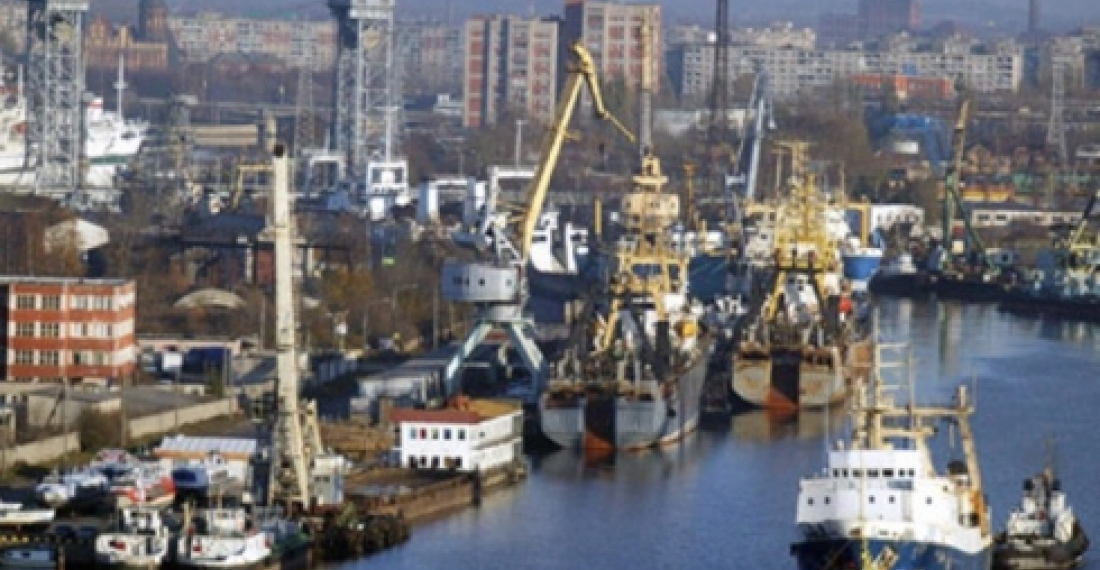
Фото: порт Калининграда.
 

Related articles

Editor's choice
News
Pope Leo XIV, has called on world leaders to lay down their weapons and choose “encounter” over domination

Pope Leo XIV, has called on world leaders to lay down their weapons and choose “encounter” over domination

The leader of the Catholic Church, Pope Leo XIV, has called on world leaders to lay down their weapons and choose “encounter” over domination. “Let those who have weapons lay them down!”, the Pope urged on Easter Sunday in his traditional Urbi et Orbi message. Speaking to the tens of thousands of pilgrims gathered in St Peter's Square, Pope Leo urged "those who have the power to unleash wars" to chose peace.  This should not be a peace “imposed by force”, he stressed, but one achieved through dialogue – “not with the desire to dominate others, but to encounter them”. Pope Leo warned that the world is “growing accustomed to violence”. We are “becoming indifferent”, he said, not only to the deaths of thousands of people, but to the “hatred and division” war causes, as well as its “economic and social consequences”. Borrowing a phrase from the late Pope Francis, Pope Leo warned of the “ever-increasing ‘globalisation of indifference’”. “We cannot continue to be indifferent!”, he urged. “We cannot resign ourselves to evil!”. For this reason, he said, he would be leading a prayer vigil for peace next Saturday, April 11th, in St Peter’s Basilica.
Editor's choice
News
Israel destroys 17 UNIFIL Cameras

Israel destroys 17 UNIFIL Cameras

Israeli forces destroyed 17 surveillance cameras linked to the United Nations peacekeepers’ main headquarters in southern Lebanon in 24 hours, a UN security official told AFP on Saturday. Since the start of the Israel-Hezbollah war on March 2, the UN Interim Force in Lebanon (UNIFIL) has been caught in the crossfire in the country’s south, with Hezbollah launching attacks on Israel and its troops, and Israeli forces pushing into border towns. The official, who requested anonymity, said “17 of the headquarters’ cameras have been destroyed by the Israeli army” in the coastal town of Naqura. UNIFIL spokeswoman Kandice Ardiel told AFP on Saturday that “the cameras appear to have been destroyed by some kind of laser.” She added that “(Israeli) soldiers are present in Naqura and have been undertaking massive demolitions of buildings in the village this week.” Earlier this week, Ardiel told AFP that “not only have these demolitions destroyed civilian homes and businesses, but the strength of the blasts have caused damage to UNIFIL’s headquarters.” Three Indonesian peacekeepers from the UN force have been killed in two separate incidents over the past week. UNIFIL also reported Friday an “explosion” in one of its bases near Odaisseh in south Lebanon that wounded three personnel, adding that they “do not yet know the origin of the explosion.” The Israeli army accused Hezbollah of firing “a rocket that landed in a UNIFIL outpost.” The UN office in Jakarta said on Saturday the wounded were Indonesian. Indonesia condemned the incident as “unacceptable,” saying “these events underscore the urgent need to strengthen protection for UN peacekeeping forces amid an increasingly dangerous conflict situation.” According to the UN, 97 force members have been killed in violence since its establishment in 1978 to monitor the withdrawal of Israeli forces after they invaded Lebanon.

Popular

Editor's choice
Interview
Thursday Interview: Murad Muradov

Thursday Interview: Murad Muradov

Today, commonspace.eu starts a new regular weekly series. THURSDAY INTERVIEW, conducted by Lauri Nikulainen, will host  persons who are thinkers, opinion shapers, and implementors in their countries and spheres. We start the series with an interview with Murad Muradov, a leading person in Azerbaijan's think tank community. He is also the first co-chair of the Action Committee for a new Armenian-Azerbaijani Dialogue. Last September he made history by being the first Azerbaijani civil society activist to visit Armenia after the 44 day war, and the start of the peace process. Speaking about this visit Murad Muradov said: "My experience was largely positive. My negative expectations luckily didn’t play out. The discussions were respectful, the panel format bringing together experts from Armenia, Azerbaijan, and Turkey was particularly valuable during the NATO Rose-Roth Seminar in Yerevan, and media coverage, while varied in tone, remained largely constructive. Some media outlets though attempted to represent me as more of a government mouthpiece than an independent expert, which was totally misleading.  Overall, I see these initiatives as important steps in rebuilding trust and normalising professional engagement. The fact that soon a larger Azerbaijani civil society visits to Armenia followed, reinforces the sense that this process is moving in the right direction." (click the image to read the interview in full)