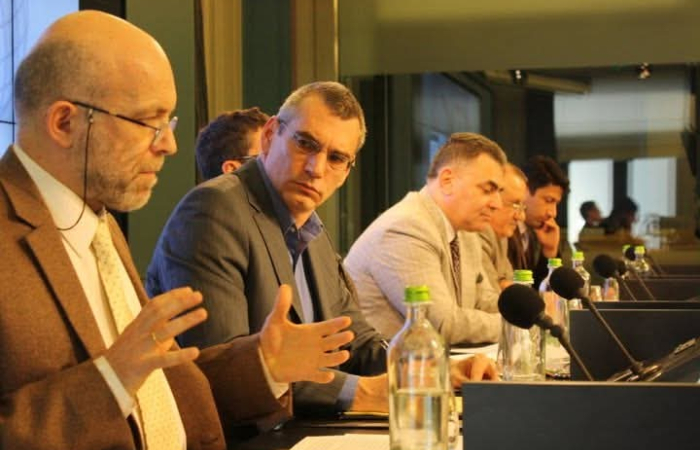
Армения, Грузия и Молдова на пути к исторически новым отношениям с ЕС. Министры иностранных дел ЕС и стран Восточного партнерства встретились в Брюсселе, чтобы подготовиться к саммиту в Вильнюсе.

На вчерашней встрече министров иностранных дел 28 стран-членов ЕС и шести стран Восточного партнерства в Брюсселе, которая проходила в атмосфере оптимизма, состоялось заседание по подготовке к знаменательному саммиту глав государств, который состоится в Вильнюсе в ноябре.

В заявлении верховного представителя ЕС по внешней политике и политике безопасности Кэтрин Эштон говорится, что на сегоднящний день уже достигнут значительный прогресс. Кэтрин Эштон подчеркнула, что усилия должны быть продолжены, и что саммит в Вильюнюсе должен стать  новым этапом в отношениях между ЕС и странами-партнерами. Она подчеркнула, что - при условии, что остальные шаги будут предприняты в ближайшие недели - саммит в Вильнюсе будет результативным, как с точки зрения политической ассоциации, так и экономической интеграции.

Ранее в тот же день было объявлено, что Грузия завершила переговоры о Зоне глубокой и всеобъемлющей свободной торговли с ЕС. Соглашение теперь должно пройти правовые процедуры с обеих сторон, чтобы быть принятым, но уже сейчас можно приступать к осуществлению ряда его положений.

Ликующий министр иностранных дел Грузии, Майя Панджикидзе, на вчерашней встрече в Брюссельском пресс клубе заявила, что саммит в Вильнюсе сделает процесс европизации Южного Кавказа необратимым. И Армения, и Грузия, а также Молдова, как ожидается, парафируют соглашение об Ассоциации с ЕС в Вильнюсе. Переговоры с Грузией и Молдовой в настоящее время успешно завершены, переговоры с Арменией находятся в завершающей стадии.

Последним камнем преткновения, кажется, была формулировка связанная с сепаратистскими территориями. Министр иностранных дел Грузии Панджикидзе сообщила, что этот вопрос в настоящее время решен, и что в тексте будет ссылка о территориальный целостности стран, но не прямая ссылка на «оккупацию или деоккупацию».

Источник: commonspace.eu

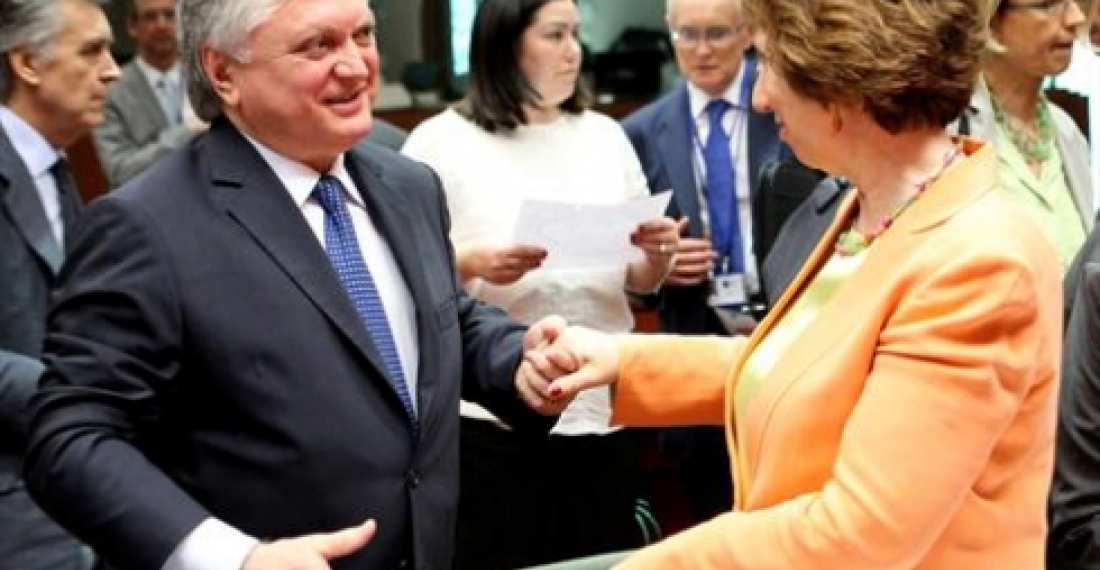
фото: Верховный представитель ЕС по иностранным делам и политике безопасности Кэтрин Эштон приветствует министра иностранных дел Армении Эдварда Налбандяна в Брюсселе перед вчерашней встречей министров иностранных дел ЕС и стран Восточного партнерства. (фото любезно предоставлено пресс-службой ЕС).

Related articles

Editor's choice
News
Borrell tells the European Parliament that the situation in Afghanistan was critical, but the EU will remain engaged

Borrell tells the European Parliament that the situation in Afghanistan was critical, but the EU will remain engaged

Borrell underlined that the European Union will make every effort to support the peace process and to remain a committed partner to the Afghan people. "Of course, we will have to take into account the evolving situation, but disengagement is not an option.  We are clear on that: there is no alternative to a negotiated political settlement, through inclusive peace talks.
Editor's choice
News
Germany accuses Russia of cyberattacks and disinformation campaign

Germany accuses Russia of cyberattacks and disinformation campaign

The German government holds Russia responsible for a cyberattack on German air traffic control, and for targeted disinformation campaigns before the last federal election. According to the German Foreign Office in Berlin, the incidents could be clearly attributed to the Russian military intelligence service, the GRU. In response, the Russian ambassador to Berlin was summoned to the Foreign Ministry. "We have been observing a massive increase in threatening hybrid activities by Russia for some time now," a spokesperson for the Foreign Ministry stated. These range from disinformation campaigns and espionage to cyberattacks and sabotage attempts. The aim is to divide society, sow distrust, and undermine confidence in democratic institutions. The spokesperson added that with these actions, Russia is "very concretely threatening our security, not only through its war of aggression against Ukraine, but also here in Germany."  The Foreign Ministry spokesperson explained that the cyberattack on air traffic control in August 2024 was clearly attributed to the hacker collective "APT28," known as "Fancy Bear," and to the responsibility of the Russian military intelligence service, the GRU. Furthermore, it could now be "conclusively stated" that Russia had attempted "to influence and destabilize both the last Federal election and the ongoing internal affairs of the Federal Republic of Germany." There was "absolutely irrefutable evidence" for this". The so-called "Storm 1516" campaign, which has been running since 2024, is allegedly backed by "reliable information" that the Moscow-based think tank "Center for Geopolitical Expertise" is behind it. The Center is also said to be supported by Russian military intelligence. Its primary aim is to influence democratic elections in the West. (Click the image to read more).

Popular

Editor's choice
News
Germany accuses Russia of cyberattacks and disinformation campaign

Germany accuses Russia of cyberattacks and disinformation campaign

The German government holds Russia responsible for a cyberattack on German air traffic control, and for targeted disinformation campaigns before the last federal election. According to the German Foreign Office in Berlin, the incidents could be clearly attributed to the Russian military intelligence service, the GRU. In response, the Russian ambassador to Berlin was summoned to the Foreign Ministry. "We have been observing a massive increase in threatening hybrid activities by Russia for some time now," a spokesperson for the Foreign Ministry stated. These range from disinformation campaigns and espionage to cyberattacks and sabotage attempts. The aim is to divide society, sow distrust, and undermine confidence in democratic institutions. The spokesperson added that with these actions, Russia is "very concretely threatening our security, not only through its war of aggression against Ukraine, but also here in Germany."  The Foreign Ministry spokesperson explained that the cyberattack on air traffic control in August 2024 was clearly attributed to the hacker collective "APT28," known as "Fancy Bear," and to the responsibility of the Russian military intelligence service, the GRU. Furthermore, it could now be "conclusively stated" that Russia had attempted "to influence and destabilize both the last Federal election and the ongoing internal affairs of the Federal Republic of Germany." There was "absolutely irrefutable evidence" for this". The so-called "Storm 1516" campaign, which has been running since 2024, is allegedly backed by "reliable information" that the Moscow-based think tank "Center for Geopolitical Expertise" is behind it. The Center is also said to be supported by Russian military intelligence. Its primary aim is to influence democratic elections in the West. (Click the image to read more).