


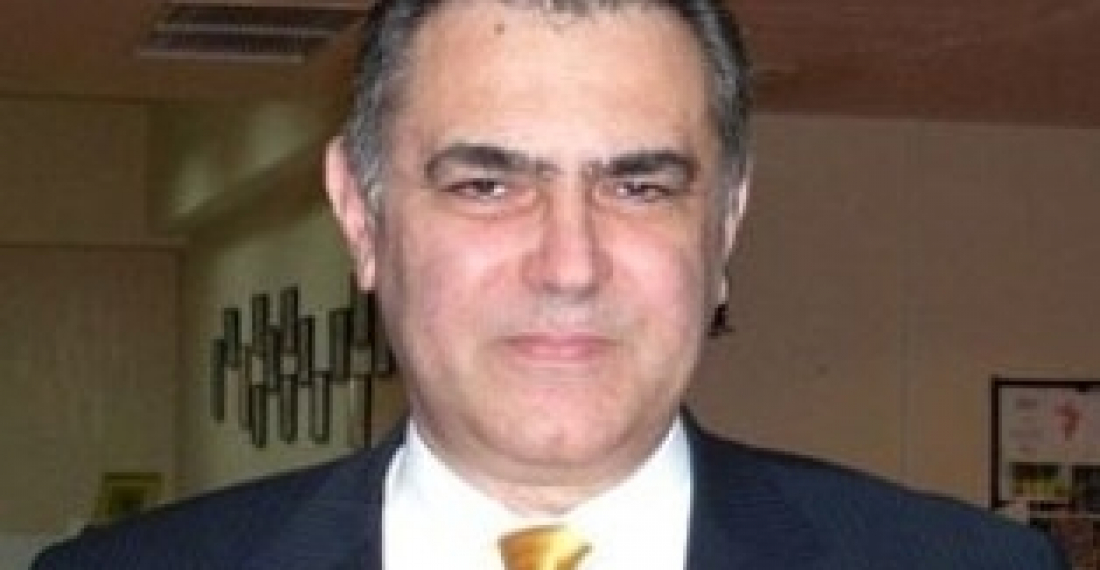
Британский эксперт:

Европейский Союз развивает процесс «вовлечения без признания» с некоторыми районами, включая Нагорный Карабах. Об этом в интервью АрмИнфо заявил исполнительный директор LINKS, британский эксперт Денис Саммут.

“Я не думаю, что изоляция может что-либо решить. Населению Нагорного Карабаха следует воспринимать это как шанс – и реагировать на него положительно”, - заявил эксперт.

Говоря о позиции LINKS в отношении вопроса признания Карабаха, эксперт отметил:

Государства признают государства. НПО не занимаются признанием государств. Мы работаем в пределах реалий международной системы. В настоящий момент Нагорный Карабах является самопровозглашенной единицей, существующей де-факто, но не имеющей статуса в рамках международного законодательства».

Он сообщил, что организация, которую он возглавляет, работает в рамках «Европейского партнерства для мирного разрешения конфликта вокруг Нагорного Карабаха». “В этом плане мы работаем с несколькими партнерами в Европе и в регионе. В течение прошлого года мы разработали внутренний политический контекст в Армении и Азербайджане относительно конфликта. Мы собрали мнения сорока шести политических партий о конфликте и его урегулировании. Мы только что завершили сбор мнений жителей Нагорного Карабаха – и азербайджанцев, проживавших там; людей, придерживающихся самых различных точек зрения. Это исследование скоро будет опубликовано”, - отметил Саммут. Эксперт добавил, что LINKS подготовил целый ряд исследований по поводу международной ситуации вокруг Карабахского конфликта и того, как она влияет на процесс урегулирования.

Кроме того, он напомнил, что в прошлом месяце был запущен новый большой проект – commonspace.eu. “Это новый совместный веб-портал, который ведут LINKS, «АрмИнфо» и 1news.az. Это хорошая возможность создать общее безопасное пространство, где можно обсуждать точки зрения”, - резюмировал эксперт.


 

Related articles

Editor's choice
News
The British prime minister says Europe must "stand on its own two feet" when it comes to defence

The British prime minister says Europe must "stand on its own two feet" when it comes to defence

The UK will deploy a carrier strike group, led by the aircraft carrier HMS Prince of Wales to the Arctic and the High North as part of efforts to bolster security against Russian threats. British prime minister, Sir Keir Starmer announced the deployment in a speech on Saturday (14 February) at the Munich Security Conference. Europe must be ready to fight to protect its people, values, and way of life,  Sir Keir told the Conference. Starmer also called for deeper links and cooperation, including economic ties, between the UK and EU. The PM stressed the continent must "stand on its own two feet" when it comes to defence commitments. "We must build our hard power, because that is the currency of the age," he told the conference. (Click image to read the full story).

Popular

Editor's choice
Interview
Thursday Interview: Murad Muradov

Thursday Interview: Murad Muradov

Today, commonspace.eu starts a new regular weekly series. THURSDAY INTERVIEW, conducted by Lauri Nikulainen, will host  persons who are thinkers, opinion shapers, and implementors in their countries and spheres. We start the series with an interview with Murad Muradov, a leading person in Azerbaijan's think tank community. He is also the first co-chair of the Action Committee for a new Armenian-Azerbaijani Dialogue. Last September he made history by being the first Azerbaijani civil society activist to visit Armenia after the 44 day war, and the start of the peace process. Speaking about this visit Murad Muradov said: "My experience was largely positive. My negative expectations luckily didn’t play out. The discussions were respectful, the panel format bringing together experts from Armenia, Azerbaijan, and Turkey was particularly valuable during the NATO Rose-Roth Seminar in Yerevan, and media coverage, while varied in tone, remained largely constructive. Some media outlets though attempted to represent me as more of a government mouthpiece than an independent expert, which was totally misleading.  Overall, I see these initiatives as important steps in rebuilding trust and normalising professional engagement. The fact that soon a larger Azerbaijani civil society visits to Armenia followed, reinforces the sense that this process is moving in the right direction." (click the image to read the interview in full)

