


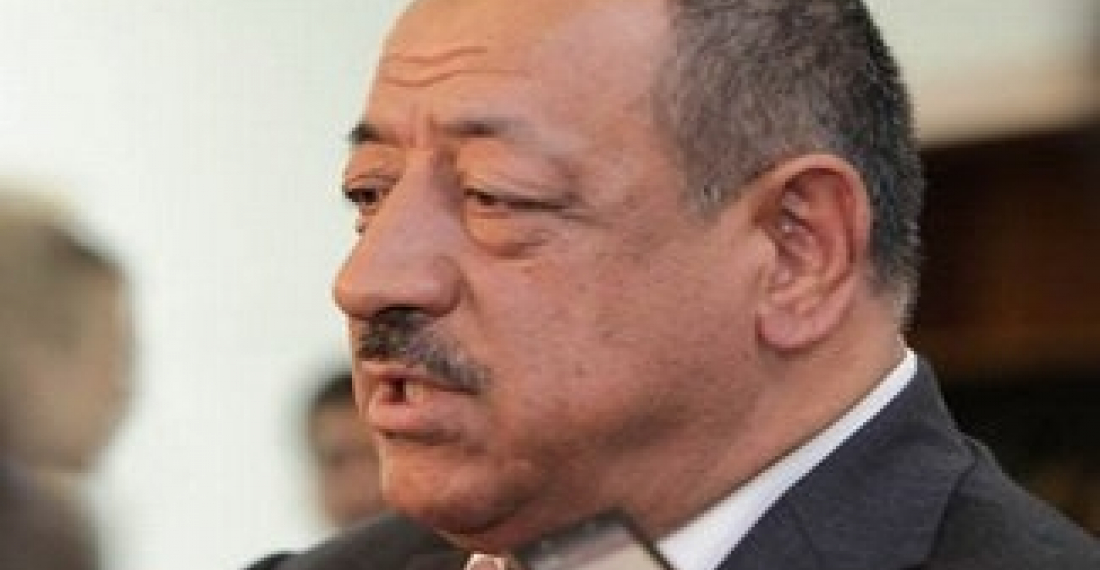
Байрам Сафаров: «В США поняли, что сепаратисты Нагорного Карабаха используют помощь для дальнейшего разжигания вражды»

Глава азербайджанской общины Нагорного Карабаха Байрам Сафаров положительно оценивает решение подкомитета Палаты представителей Конгресса США не выделять сепаратистскому режиму Нагорного Карабаха финансовую помощь в 2012 году.

Об этом он заявил в интервью, опубликованном на официальном сайте правящей партии «Ени Азербайджан».

«В американском государстве и Конгрессе уже понимают, что выделявшиеся в предыдущие годы финансовые средства использовались сепаратистским режимом Нагорного Карабаха не для оказания помощи мирному населению, а с целью укрепления сепаратизма и вражды. В США прекрасно понимают истинную суть проводимой руководством Армении политики и видят, что она не служит мирным целям», — подчеркнул Б.Сафаров.

По его словам, принятое вопреки оказываемому со стороны армянского лобби США давлению американским Конгрессом решение наносит серьезный удар по руководству Армении и сепаратистскому режиму Нагорного Карабаха.

«Правда, раньше официальные представители США заявляли о том, что выделяемые Нагорному Карабаху средства преследуют гуманитарные цели. Тем не менее, никто не отчитывался по поводу того, как и на что эти деньги расходуются. Все это создавало возможности для сепаратистского режима тратить эти миллионы долларов по своему усмотрению.

Если предпринимаются шаги гуманитарного характера, то в первую очередь они должны быть направлены на оказание поддержки гражданам, изгнанным из своих домов в Нагорном Карабахе», — отметил глава азербайджанской общины Нагорного Карабаха.

Б.Сафаров выразил надежду на то, что и в будущем Конгресс США не будет оказывать финансовую поддержку сепаратистскому режиму Нагорного Карабаха.


 

Related articles

Editor's choice
News
Thousands join Pope on his last day in Cameroon, his second stop on his African tour

Thousands join Pope on his last day in Cameroon, his second stop on his African tour

More than 120,000 people joined Pope Leo XIV in Cameroon for an open-air Mass on Friday (17 April), the biggest crowd so far during his 11-day Africa tour. Arriving in the economic city of Douala on Friday, the Pope reiterated his message of peace after visiting the country's Anglophone region hit by a decade-long rebellion the day before. He later warned of the dangers of artificial intelligence (AI), which he said was leading to the spread of "polarisation, conflict, fear and violence". Jubliant crowds welcomed the Pope as he arrived at the Japoma Stadium. Standing in his vehicle - known as the Popemobile - the pontiff waved at the droves of people waiting for his entrance. Some worshippers camped outside the premises on Thursday night in a bid to get a prime spot for the pontiff's address, with some having been there for more than 24 hours By Friday, tens of thousands of people of all ages, including several from the priesthood, braved the heat to participate in the occasion. “Do not give in to distrust and discouragement,” he said. “Reject every form of abuse or violence, which deceives by promising easy gains but hardens the heart and makes it insensitive. Do not forget that your people are even richer than this land, for your treasure lies in your values: faith, family, hospitality, and work.” Pope Leo invited African youth to follow the vocation that God sets out for them, so that they may be protagonists of their own future. “Do not let yourselves be corrupted by temptations that waste your energies and do not serve the progress of society,” he said.

Popular

Editor's choice
Interview
Thursday Interview: Murad Muradov

Thursday Interview: Murad Muradov

Today, commonspace.eu starts a new regular weekly series. THURSDAY INTERVIEW, conducted by Lauri Nikulainen, will host  persons who are thinkers, opinion shapers, and implementors in their countries and spheres. We start the series with an interview with Murad Muradov, a leading person in Azerbaijan's think tank community. He is also the first co-chair of the Action Committee for a new Armenian-Azerbaijani Dialogue. Last September he made history by being the first Azerbaijani civil society activist to visit Armenia after the 44 day war, and the start of the peace process. Speaking about this visit Murad Muradov said: "My experience was largely positive. My negative expectations luckily didn’t play out. The discussions were respectful, the panel format bringing together experts from Armenia, Azerbaijan, and Turkey was particularly valuable during the NATO Rose-Roth Seminar in Yerevan, and media coverage, while varied in tone, remained largely constructive. Some media outlets though attempted to represent me as more of a government mouthpiece than an independent expert, which was totally misleading.  Overall, I see these initiatives as important steps in rebuilding trust and normalising professional engagement. The fact that soon a larger Azerbaijani civil society visits to Armenia followed, reinforces the sense that this process is moving in the right direction." (click the image to read the interview in full)

