Балансирование Турции между Ираном и западом. Система раннего предупреждения НАТО в Малатья вступила в действие с 1 января, несмотря на иранские протесты.
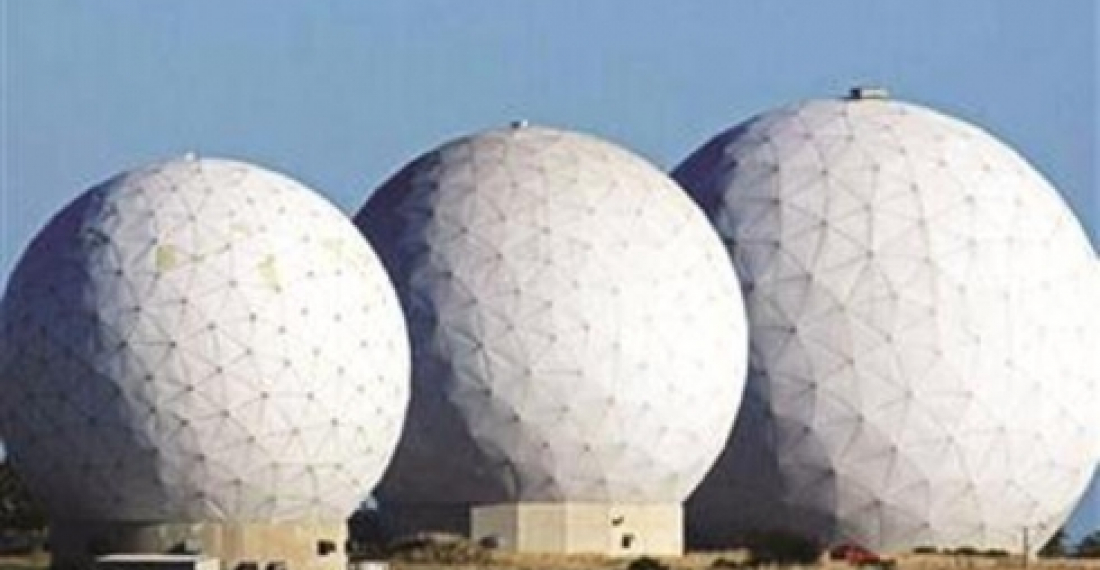

Система раннего радиолокационного предупреждения, дислоцированная в восточной анатолийской провинции Малатья, 1 января приступила к выполнению своих функции, сообщает со ссылкой на "надежные источники" Hurriyet Daily News.

Газета заявила, что радиолокационной системой в настоящее время управляют "небольшое число войск США, которые были направлены на военную базу Kürecik поблизости от города Малатья в последнюю неделю 2011 года так как турецкие военные не имеют квалифицированный персонал для запуска американской системы раннего радиолокационного предупреждения AN/TPY-2 (X-band). Несмотря на развертывание, объект находится на турецкой базе и будет находится под командованием турецких высокопоставленных офицеров", газета цитирует источник.

Hurriyet Daily News сообщает, что Турция присоединилась к программе НАТО по защите от ядерных ударов только после рассмотрения её условий альянсом. Она согласилась на развертывание системы раннего радиолокационного оповещения на своей территории в середине 2011 в то же время альянс, в свою очередь, согласился разместить высокопоставленного турецкого генерала в штаб-квартире НАТО в Германии, где разведывательные данные будут собираться и обрабатываться.

На протяжении последних нескольких дней турецкие официальные лица пытались успокоить Иран о целях и использовании данной системы, говоря о её предназначении, как о части оборонительного щита от ракетного нападения. Конечно же эта тема была обсуждена в ходе визита министра иностранных дел Турции Ахмеда Давутоглу в Тегеран в начале этой недели, и понятно, что вопрос был поднят в ходе встреч спикера иранского парламента Али Лариджани в Анкаре на этой неделе.

Политический редактор Commonspace.eu сказал следующее: "Турция пытается сбалансировать свою традиционную роль в качестве важного и надежного-членов НАТО и партнеров со своей новой ролью в качестве независимого регионального лидера с её собственной повесткой дня и приоритетами. Во многих случаях эти две цели идут хорошо в тандеме, но по иранскому и некоторым другим вопросам Ближнего Востока Турции должна умело держать баланс между двумя противоречивыми политиками. Пока турецкая дипломатия показала стойкость и значительную изобретательность. Давутоглу является способным дипломатом, который владеет полным доверием премьер-министра Эрдогана. Если отношения между Ираном и Западом ухудшатся Турции, однако, в какой-то момент придется сделать выбор, и это будет трудный момент для правительства ПСР."

Источник: commonspace.eu по материалам Hurriyet Daily News

Фото: Новая радиолокационная система в анатолийской провинции Малатья (фото любезно предоставлено Hurriyet Daily News)

Related articles

Editor's choice
News
Uzbekistan calls for bigger voice for Central Asia in the UN

Uzbekistan calls for bigger voice for Central Asia in the UN

Uzbekistan called for a more effective and representative United Nations on September 23, as presidential administration chief Saida Mirziyoyeva used her address to the UN General Assembly to seek support for the country’s candidacy for a nonpermanent Security Council seat in 2035–2036. Speaking at the Assembly’s 81st session in New York, Mirziyoyeva argued that international cooperation remains necessary despite growing geopolitical divisions. She endorsed UN Secretary-General António Guterres’ UN80 reform initiative and called for an expanded Security Council, arguing that international rules should be applied consistently rather than according to the interests of powerful states. Uzbekistan’s planned chairmanship of the Non-Aligned Movement in 2027 was presented as another platform for promoting dialogue. Her emphasis on multilateralism also fits a broader Central Asian effort to increase the region’s role in international institutions. Kyrgyzstan, for example, will hold its first Security Council seat in 2027–2028. Mirziyoyeva also highlighted regional cooperation, pointing to improved relations among Central Asian states over longstanding border and water disputes. On Afghanistan, she urged countries not to view it solely as a security threat, stressing the importance of creating conditions for peaceful development. She linked Uzbekistan’s international agenda to domestic reforms, citing economic growth, falling poverty and expanded education. Climate and water security also featured prominently, with the Aral Sea serving as an example of the consequences of poor environmental management. (click image to read more)
Editor's choice
News
Kazakhstan declares national day of mourning after tragedy

Kazakhstan declares national day of mourning after tragedy

Kazakh president, Kassym-Jomart Tokayev, declared September 25 a national day of mourning following the deaths of servicemen during military exercises in the Caspian Sea. Twelve Kazakh servicemen died after being swept into the Caspian Sea during the Khazar Qorgany–2026 naval exercises in the Mangystau region on Thursday (September 24). The incident occurred after weather conditions suddenly deteriorated and winds intensified during a combat training mission. In a Telegram post, the Ministry of Defence reported that 19 servicemen had been swept into the sea. So far, three have been rescued, one of whom was hospitalized, while 12 bodies have been recovered.  Search operations were continuing for the remaining four servicemen. A large-scale rescue and recovery effort has been launched, involving Kazakhstan’s Naval Forces, the Ministry of Emergency Situations, aviation assets and other relevant services.   Deputy Prime Minister Kanat Bozumbayev, who is leading a government commission at the scene, ordered a continuous, round-the-clock search for those still missing. Authorities were also instructed to provide financial and other assistance to the families of the deceased. (click image to read in full)

Popular

Editor's choice
Interview
Thursday Interview: Murad Muradov

Thursday Interview: Murad Muradov

Today, commonspace.eu starts a new regular weekly series. THURSDAY INTERVIEW, conducted by Lauri Nikulainen, will host  persons who are thinkers, opinion shapers, and implementors in their countries and spheres. We start the series with an interview with Murad Muradov, a leading person in Azerbaijan's think tank community. He is also the first co-chair of the Action Committee for a new Armenian-Azerbaijani Dialogue. Last September he made history by being the first Azerbaijani civil society activist to visit Armenia after the 44 day war, and the start of the peace process. Speaking about this visit Murad Muradov said: "My experience was largely positive. My negative expectations luckily didn’t play out. The discussions were respectful, the panel format bringing together experts from Armenia, Azerbaijan, and Turkey was particularly valuable during the NATO Rose-Roth Seminar in Yerevan, and media coverage, while varied in tone, remained largely constructive. Some media outlets though attempted to represent me as more of a government mouthpiece than an independent expert, which was totally misleading.  Overall, I see these initiatives as important steps in rebuilding trust and normalising professional engagement. The fact that soon a larger Azerbaijani civil society visits to Armenia followed, reinforces the sense that this process is moving in the right direction." (click the image to read the interview in full)