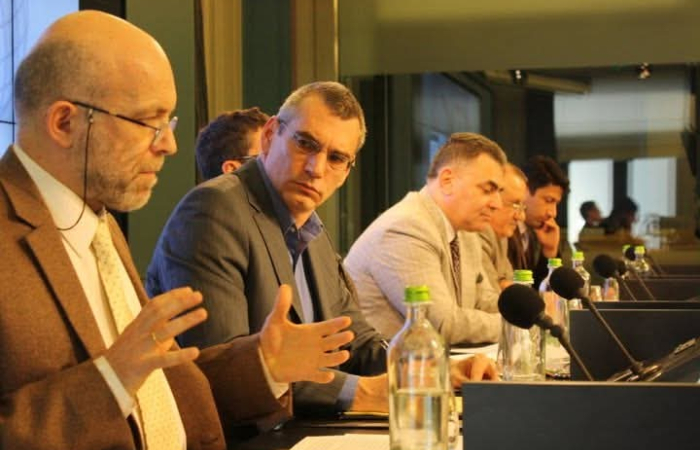
Азербайджанский политолог видит в конституционных реформах выход из политического тупика.
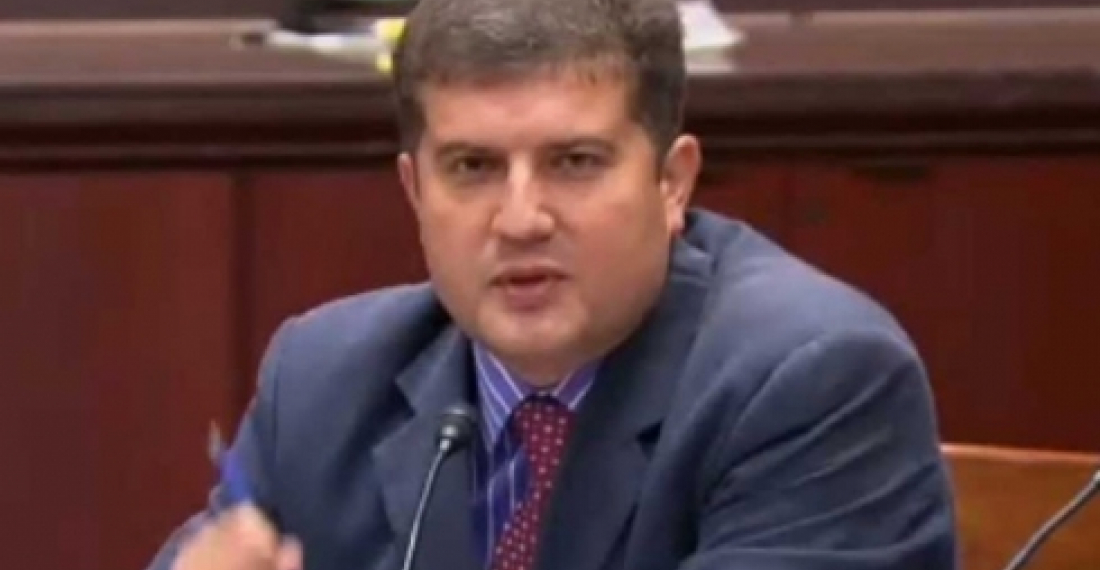
"Правительству Азербайджана нужно спешить после предстоящих президентских выборов в следующем месяце с  проведением конституционных реформ, которые создадут условия для надлежащих парламентских выборов в 2015 году. Эти реформы должны включать в себя создание верхней палаты парламента". Эта точка зрения была выражена Эркином Гадирли, вице-председателем оппозиционного движения "REAL" во время выступления в Chatham House в Лондоне. По словам Гадирли, необходимы конституционные изменения, так как ясно, что правящая элита в Азербайджане не готова отпустить власть из своих рук, и создание второй палаты в парламенте, которая будет действовать как противовес первой, это единственный способ, при котором нынешние азербайджанские власти потерпят присутствие своих политических оппонентов в парламенте.

Гадирли раскритиковал власти Азербайджана за отказ зарегистрировать председателя движения "REAL, Ильгара Мамедова, который сейчас находится в тюрьме в ожидании судебного процесса, в качестве кандидата на выборах 9 октября. Он сказал, что движение попробует все оставшиеся правовые рычаги для повторной регистрации кандидатуры, но, если этого не произойдет, то у них не будет другого выбора, кроме  попросить своих сторонников поддержать другого оппозиционного кандидата Джамиль Гасанли, который был выдвинут коалицией оппозиционных партии "Национальный совет". По его словам, у движения "REAL"  серьезные идеологические разногласия с "Национальным советом", и именно поэтому движение не присоединилось к коалиции, но сам Джафарли уважаемая личность, который является единственным реальным вариантом для тех, кто отвергает кандидатуру нынешнего президента Ильхама Алиева. Гадирли утверждает, что переизбрание Алиева на третий срок антиконституционо, так как конституционные изменения 2009 года не могут иметь обратной силы.

В ходе своего выступления и последовавших ответов на вопросы после выступления, Гадирли говорил об изменениях в азербайджанском обществе. Молодые люди, по его словам, гораздо менее зависимы от правительства, чем предыдущие поколения. Кроме того, они теперь являются главным источником информации в семье, меняя тем самым старые патриархальные устои, проведения политики. Интернет позволил молодым людям вырваться из под влияния СМИ, которые контролируются нынешней властью. Гадирли заявил, что правительство проиграло битву за информационное пространство в Интернете, несмотря на многочисленные усилия.

Отвечая на вопрос о повышении качества жизни азербайджанского народа на протяжении последних десяти лет Гадирли признал, что многое изменилось в лучшую сторону, но правительство по-прежнему стоит далеко от удовлетворения ожиданий граждан. Эти ожидания не только материальные. Люди требуют от своего правительства верховенство закона, уважения, а также возможность свободно выражать свое мнение. Гадирли рассказал о бедственном положении несколько десятков молодых активистов, которые в настоящее время находятся в тюрьмах по сфабрикованным обвинениям, потому что они осмелились бросить вызов правительству.

Гадирли отметил, что правительство Азербайджана является надежным партнером для запада в ряде сфер, в том числе в энергетических проектах и в борьбе с терроризмом. Но западные партнеры разочарованы  правительством в вопросах демократии. Он призвал европейские институты сосредоточиться в будущем на правах собственности, так как, это будет краеугольным камнем, на котором можно будет построить будущее.

В ходе своего выступления Гадирли заявил, что движение "REAL" после президентских выборов трансформируется в политическую партию, и что движение сосредоточиться на формирующемся среднем классе в поисках основной поддержки, и что у движения есть планы по расширению своей работы на все регионы Азербайджана.

Источник: commonspace.eu

Related articles

Editor's choice
News
Pope Leo XIV, has called on world leaders to lay down their weapons and choose “encounter” over domination

Pope Leo XIV, has called on world leaders to lay down their weapons and choose “encounter” over domination

The leader of the Catholic Church, Pope Leo XIV, has called on world leaders to lay down their weapons and choose “encounter” over domination. “Let those who have weapons lay them down!”, the Pope urged on Easter Sunday in his traditional Urbi et Orbi message. Speaking to the tens of thousands of pilgrims gathered in St Peter's Square, Pope Leo urged "those who have the power to unleash wars" to chose peace.  This should not be a peace “imposed by force”, he stressed, but one achieved through dialogue – “not with the desire to dominate others, but to encounter them”. Pope Leo warned that the world is “growing accustomed to violence”. We are “becoming indifferent”, he said, not only to the deaths of thousands of people, but to the “hatred and division” war causes, as well as its “economic and social consequences”. Borrowing a phrase from the late Pope Francis, Pope Leo warned of the “ever-increasing ‘globalisation of indifference’”. “We cannot continue to be indifferent!”, he urged. “We cannot resign ourselves to evil!”. For this reason, he said, he would be leading a prayer vigil for peace next Saturday, April 11th, in St Peter’s Basilica.
Editor's choice
News
Israel destroys 17 UNIFIL Cameras

Israel destroys 17 UNIFIL Cameras

Israeli forces destroyed 17 surveillance cameras linked to the United Nations peacekeepers’ main headquarters in southern Lebanon in 24 hours, a UN security official told AFP on Saturday. Since the start of the Israel-Hezbollah war on March 2, the UN Interim Force in Lebanon (UNIFIL) has been caught in the crossfire in the country’s south, with Hezbollah launching attacks on Israel and its troops, and Israeli forces pushing into border towns. The official, who requested anonymity, said “17 of the headquarters’ cameras have been destroyed by the Israeli army” in the coastal town of Naqura. UNIFIL spokeswoman Kandice Ardiel told AFP on Saturday that “the cameras appear to have been destroyed by some kind of laser.” She added that “(Israeli) soldiers are present in Naqura and have been undertaking massive demolitions of buildings in the village this week.” Earlier this week, Ardiel told AFP that “not only have these demolitions destroyed civilian homes and businesses, but the strength of the blasts have caused damage to UNIFIL’s headquarters.” Three Indonesian peacekeepers from the UN force have been killed in two separate incidents over the past week. UNIFIL also reported Friday an “explosion” in one of its bases near Odaisseh in south Lebanon that wounded three personnel, adding that they “do not yet know the origin of the explosion.” The Israeli army accused Hezbollah of firing “a rocket that landed in a UNIFIL outpost.” The UN office in Jakarta said on Saturday the wounded were Indonesian. Indonesia condemned the incident as “unacceptable,” saying “these events underscore the urgent need to strengthen protection for UN peacekeeping forces amid an increasingly dangerous conflict situation.” According to the UN, 97 force members have been killed in violence since its establishment in 1978 to monitor the withdrawal of Israeli forces after they invaded Lebanon.

Popular

Editor's choice
Interview
Thursday Interview: Murad Muradov

Thursday Interview: Murad Muradov

Today, commonspace.eu starts a new regular weekly series. THURSDAY INTERVIEW, conducted by Lauri Nikulainen, will host  persons who are thinkers, opinion shapers, and implementors in their countries and spheres. We start the series with an interview with Murad Muradov, a leading person in Azerbaijan's think tank community. He is also the first co-chair of the Action Committee for a new Armenian-Azerbaijani Dialogue. Last September he made history by being the first Azerbaijani civil society activist to visit Armenia after the 44 day war, and the start of the peace process. Speaking about this visit Murad Muradov said: "My experience was largely positive. My negative expectations luckily didn’t play out. The discussions were respectful, the panel format bringing together experts from Armenia, Azerbaijan, and Turkey was particularly valuable during the NATO Rose-Roth Seminar in Yerevan, and media coverage, while varied in tone, remained largely constructive. Some media outlets though attempted to represent me as more of a government mouthpiece than an independent expert, which was totally misleading.  Overall, I see these initiatives as important steps in rebuilding trust and normalising professional engagement. The fact that soon a larger Azerbaijani civil society visits to Armenia followed, reinforces the sense that this process is moving in the right direction." (click the image to read the interview in full)