


Азербайджан празднует 20-летие контракта века.

Азербайджан празднует 20-ю годовщину подписания "Контракта века" - соглашение, которое открыло путь к повышению благосостояния страны в качестве производителя и поставщика энергоресурсов. В 1994 году в Баку тогдашним президентом Гейдаром Алиевым и представителями семи других стран и тринадцати международных компаний был подписан Контракт века. В 1997 году была добыта первая нефть по Договору, что в конечном итоге привело к строительству нефтепровода Баку-Тбилиси-Джейхан (БТД) и ряда других вспомогательных проектов.

По этому случаю вчера в Баку состоялась церемония празднования. Нынешний президент Азербайджана Ильхам Алиев приветствовал ряд президентов, премьер-министров и других высокопоставленных должностных лиц из стран-партнеров. В своем выступлении президент Алиев рассказал о прошлых достижениях Азербайджана и его планах на будущее. Он сказал, что "Контракт века" был успешно реализован в течение этих двадцати лет и принес огромные прибыли.

"Трубопровод БТД соединил Каспийское море и Средиземное море, это историческое достижение. В 2012 году в результате деятельности политического руководства Турции и Азербайджана была достигнута договоренность о строительстве Транс-Анатолийского трубопровода. Проект TANAP и его реализация – историческое событие. Именно после того, как был обговорен проект TANAP, стали просматриваться контуры Южного газового коридора. Проект ТАР – выбор Транс-Адриатического трубопровода в качестве основного экспортного маршрута также явился историческим событием в 2012 году. Одновременно в минувшем году уже были подписаны контракты, связанные с продажей газа. То есть сегодня перед нами открыты все горизонты, ясны все пути. Нам просто необходимо совместными усилиями обеспечить завершение Южного газового коридора, и мы сделаем это."

По словам президента, этот проект принесет дополнительные дивиденды экономике Азербайджана, добавив, что в последние годы бюджетные расходы Азербайджана увеличились в 20 раз, а уровень безработицы упал ниже 5 процентов. Азербайджан занимает 38-е место по экономической конкурентоспособности.

"Азербайджан является крупнейшим акционером в TANAP и возьмет на себя финансовую отвественность за это. Азербайджан сам финансирует свою долю в проектах Шах-Дениз, TANAP и TAP. От реализации этого проекта ни одна сторона не проиграет. Этот проект будет играть Ключевую роль в энергоснабжении Европы. Азербайджан играет важную роль в обеспечении энергетической безопасности Европы и эта роль будет только расти в будущем ", отметил Президент.

Президент Ильхам Алиев отметил, что доказанные запасы газа в Азербайджане в 2,5 триллиона кубических метров, не доказанных - 4 триллиона кубических метров.

До этого в наших газовых и нефтяных проектах участвовали лишь три страны – Азербайджан, Грузия и Турция. После этого к данному проекту смогут подключиться Грузия, Турция, Греция, Болгария, Албания, Италия, а на следующем этапе – Монтенегро, Хорватия и другие страны. Поэтому здесь координационная работа должна проводиться на очень высоком уровне.

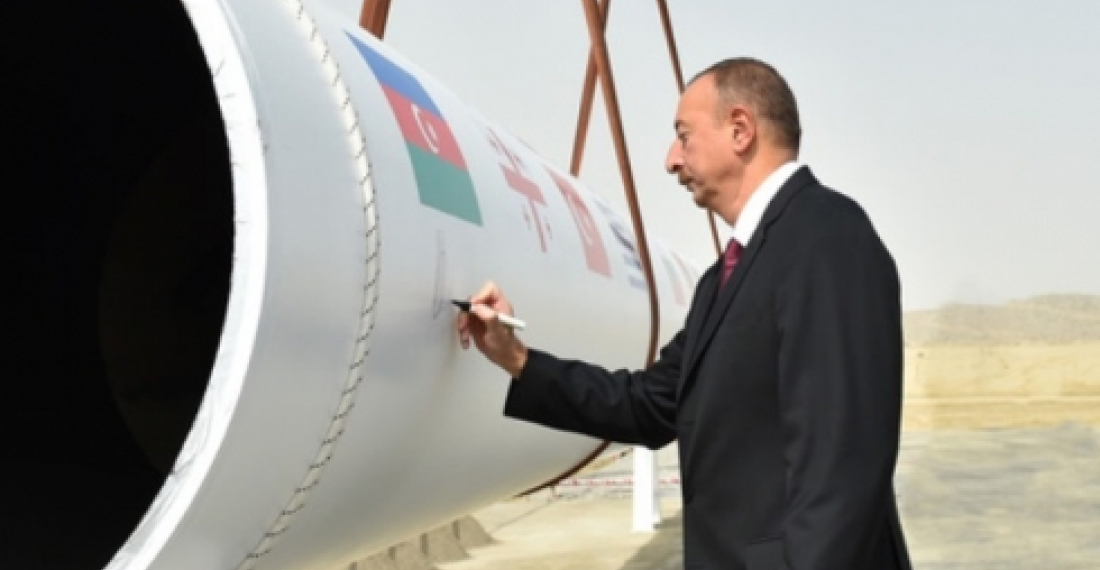
Президент в сопровождении иностранных гостей позже принял участие в церемонии закладки первого камня нового Южного газового коридора - проект, который будет способствовать энергетической безопасности Европы и который, как ожидается, придаст дальнейший экономический толчок региону. 

Источник: commonspace.eu по материалам АПА. 

фото: Президент Ильхам Алиев ставит свою подпись на части нового трубопровода Южного газового коридора в Баку, 20 сентября 2014 (фото любезно предоставлено пресс-службой президента Азербайджана.
Related articles

Editor's choice
News
Pope Leo XIV, has called on world leaders to lay down their weapons and choose “encounter” over domination

Pope Leo XIV, has called on world leaders to lay down their weapons and choose “encounter” over domination

The leader of the Catholic Church, Pope Leo XIV, has called on world leaders to lay down their weapons and choose “encounter” over domination. “Let those who have weapons lay them down!”, the Pope urged on Easter Sunday in his traditional Urbi et Orbi message. Speaking to the tens of thousands of pilgrims gathered in St Peter's Square, Pope Leo urged "those who have the power to unleash wars" to chose peace.  This should not be a peace “imposed by force”, he stressed, but one achieved through dialogue – “not with the desire to dominate others, but to encounter them”. Pope Leo warned that the world is “growing accustomed to violence”. We are “becoming indifferent”, he said, not only to the deaths of thousands of people, but to the “hatred and division” war causes, as well as its “economic and social consequences”. Borrowing a phrase from the late Pope Francis, Pope Leo warned of the “ever-increasing ‘globalisation of indifference’”. “We cannot continue to be indifferent!”, he urged. “We cannot resign ourselves to evil!”. For this reason, he said, he would be leading a prayer vigil for peace next Saturday, April 11th, in St Peter’s Basilica.
Editor's choice
News
Israel destroys 17 UNIFIL Cameras

Israel destroys 17 UNIFIL Cameras

Israeli forces destroyed 17 surveillance cameras linked to the United Nations peacekeepers’ main headquarters in southern Lebanon in 24 hours, a UN security official told AFP on Saturday. Since the start of the Israel-Hezbollah war on March 2, the UN Interim Force in Lebanon (UNIFIL) has been caught in the crossfire in the country’s south, with Hezbollah launching attacks on Israel and its troops, and Israeli forces pushing into border towns. The official, who requested anonymity, said “17 of the headquarters’ cameras have been destroyed by the Israeli army” in the coastal town of Naqura. UNIFIL spokeswoman Kandice Ardiel told AFP on Saturday that “the cameras appear to have been destroyed by some kind of laser.” She added that “(Israeli) soldiers are present in Naqura and have been undertaking massive demolitions of buildings in the village this week.” Earlier this week, Ardiel told AFP that “not only have these demolitions destroyed civilian homes and businesses, but the strength of the blasts have caused damage to UNIFIL’s headquarters.” Three Indonesian peacekeepers from the UN force have been killed in two separate incidents over the past week. UNIFIL also reported Friday an “explosion” in one of its bases near Odaisseh in south Lebanon that wounded three personnel, adding that they “do not yet know the origin of the explosion.” The Israeli army accused Hezbollah of firing “a rocket that landed in a UNIFIL outpost.” The UN office in Jakarta said on Saturday the wounded were Indonesian. Indonesia condemned the incident as “unacceptable,” saying “these events underscore the urgent need to strengthen protection for UN peacekeeping forces amid an increasingly dangerous conflict situation.” According to the UN, 97 force members have been killed in violence since its establishment in 1978 to monitor the withdrawal of Israeli forces after they invaded Lebanon.

Popular

Editor's choice
Interview
Thursday Interview: Murad Muradov

Thursday Interview: Murad Muradov

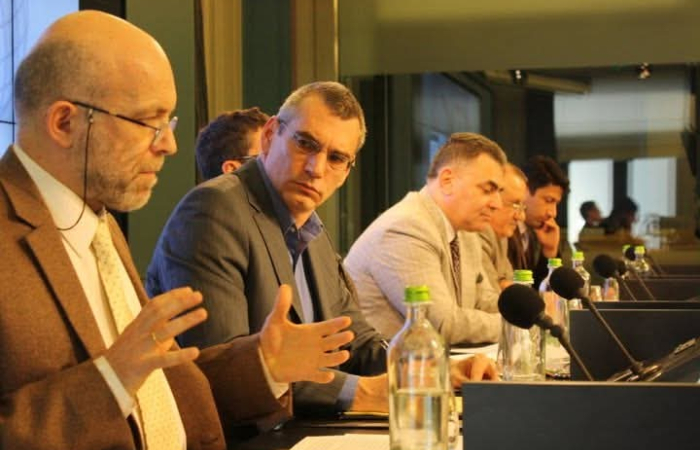
Today, commonspace.eu starts a new regular weekly series. THURSDAY INTERVIEW, conducted by Lauri Nikulainen, will host  persons who are thinkers, opinion shapers, and implementors in their countries and spheres. We start the series with an interview with Murad Muradov, a leading person in Azerbaijan's think tank community. He is also the first co-chair of the Action Committee for a new Armenian-Azerbaijani Dialogue. Last September he made history by being the first Azerbaijani civil society activist to visit Armenia after the 44 day war, and the start of the peace process. Speaking about this visit Murad Muradov said: "My experience was largely positive. My negative expectations luckily didn’t play out. The discussions were respectful, the panel format bringing together experts from Armenia, Azerbaijan, and Turkey was particularly valuable during the NATO Rose-Roth Seminar in Yerevan, and media coverage, while varied in tone, remained largely constructive. Some media outlets though attempted to represent me as more of a government mouthpiece than an independent expert, which was totally misleading.  Overall, I see these initiatives as important steps in rebuilding trust and normalising professional engagement. The fact that soon a larger Azerbaijani civil society visits to Armenia followed, reinforces the sense that this process is moving in the right direction." (click the image to read the interview in full)

