Азербайджан отверагет беспокойство Брюсселя в преддверии выборов. В заявлении Евросоюза, опубликованном в четверг, говорится о вызывающих беспокойство случаях давления на оппозицию, гражданское общество и СМИ в Азербайджане.

Высокопоставленный азербайджанский чиновник отверг критику Европейского Союза касательно ситуации в Азербайджане в преддверии президентских выборов, которые должны состоятся на следующей неделе. Начальник общественно-политического отдела Аппарата Президента Азербайджанской Республики Али Гасанова сказал, что их взгляды основаны на необъективной, односторонней и пристрастной информации, которая искажает реальную ситуацию избирательного процесса в Азербайджане.

В четверг пресс-секретарь Верховного представителя Европейского Союза по иностранным делам и политике безопасности Кэтрин Эштон и Комиссар Штефан Фюле выступили с заявлением о вызывающих беспокойство случаях давления на оппозицию, гражданское общество и СМИ в Азербайджане. В заявлении говорится:

"Верховный представитель и Комиссар обеспокоены некоторыми последними событиями в Азербайджане, которые оказывают влияние как на предвыборный период, так и на общие права человека и политические свободы в стране.

Признавая в целом мирный характер предвыборной среды и хорошую техническую готовность к выборвм, ЕС с обеспокоенностью отмечает продолжающееся давление на ряд активистов оппозиции, гражданского общества и независимых средств массовой информации, такие действия, как запугивание, аресты по сомнительным обвинениям, задержания и приговор без должного уважения к международным стандартам и прав обвиняемого.

ЕС ожидает, что власти Азербайджана проведут быстрое, прозрачное и справедливое расследование и юридические процедуры в соответствии с обязательствами Азербайджана в этой области. Это особенно важно для того, чтобы обеспечить благоприятные условия для свободных и справедливых президентских выборов 9 октября. Очень важно, чтобы пространство для подлинного плюрализма мнений было защищено, в том числе в рамках избирательного процесса.

ЕС продолжит следить за отдельными случаями и за ситуацией с правами человека в Азербайджане и ЕС готов поддержать Азербайджан в процессе реализации своих международных обязательств."

В своем заявлении Гасанов сказал:

"С полной ответственностью заявляю, что избирательная кампания по выборам президента Азербайджана проводится в соответствии с действующим законодательством и международной практикой. На всех этапах избирательного процесса были созданы необходимые условия для осуществления лицами, выдвинутыми кандидатами в президенты, своей деятельности в рамках законодательства страны. Кандидаты спокойно проводят встречи с избирателями, как в Баку, так и в регионах, одинаково пользуются предоставленными им возможностями для агитации. Безопасность избирательного процесса обеспечивается государственными органами должным образом.

Привлечение в последние дни отдельных лиц к ответственности за нарушение закона никак связано с выборами. Поэтому мы считаем необъективным и предвзятым увязывание мер, связанных с пресечением правонарушений, непосредственно с избирательным процессом.

Также хотим напомнить, что Штефан Фюле и раньше делал не отражающие реальную ситуацию в Азербайджане заявления. Полагаем, что утверждения о том, что в Азербайджане в период выборов оказывается давление на активистов гражданского общества и представителей СМИ как попытку навести тень на свободный и демократический характер избирательного процесса.

Правительство Азербайджана и впредь будет выполнять все взятые обязательства по проведению избирательной кампании в соответствии с законодательством страны и международным опытом. Надеемся, что очередные заявления официальных лиц Евросоюза, связанные с выборами в Азербайджане, будут более сбалансированными и соответствующими действительности".

Для получения дополнительной информации о президентских выборах в Азербайджане посетите:   www.electionswatch.org


Источник: commonspace.eu.

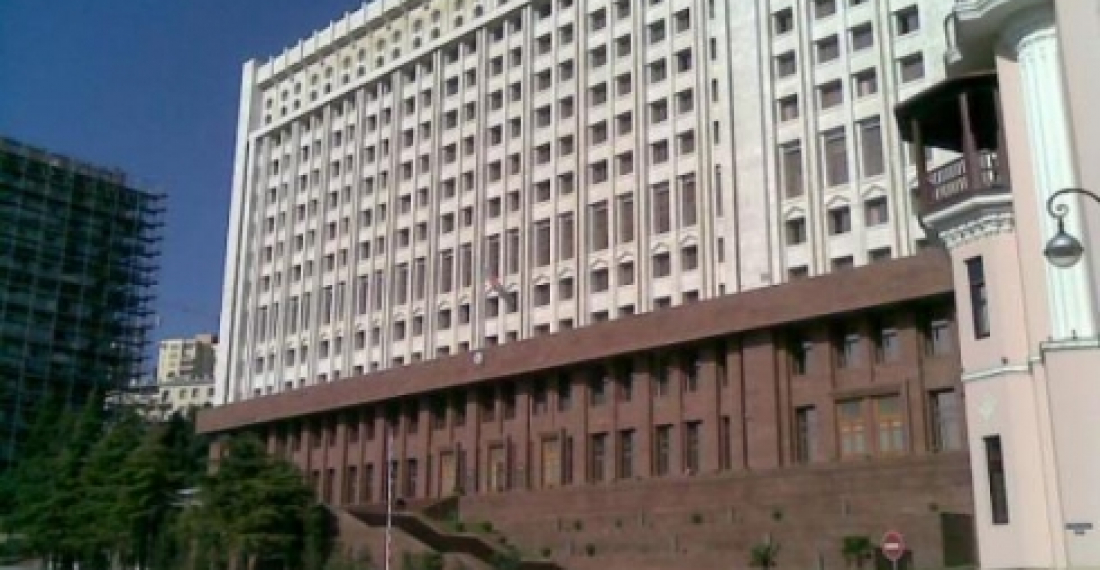
фото: Здание Администрации Президента в Баку.
Related articles

Editor's choice
News
Pope Leo XIV, has called on world leaders to lay down their weapons and choose “encounter” over domination

Pope Leo XIV, has called on world leaders to lay down their weapons and choose “encounter” over domination

The leader of the Catholic Church, Pope Leo XIV, has called on world leaders to lay down their weapons and choose “encounter” over domination. “Let those who have weapons lay them down!”, the Pope urged on Easter Sunday in his traditional Urbi et Orbi message. Speaking to the tens of thousands of pilgrims gathered in St Peter's Square, Pope Leo urged "those who have the power to unleash wars" to chose peace.  This should not be a peace “imposed by force”, he stressed, but one achieved through dialogue – “not with the desire to dominate others, but to encounter them”. Pope Leo warned that the world is “growing accustomed to violence”. We are “becoming indifferent”, he said, not only to the deaths of thousands of people, but to the “hatred and division” war causes, as well as its “economic and social consequences”. Borrowing a phrase from the late Pope Francis, Pope Leo warned of the “ever-increasing ‘globalisation of indifference’”. “We cannot continue to be indifferent!”, he urged. “We cannot resign ourselves to evil!”. For this reason, he said, he would be leading a prayer vigil for peace next Saturday, April 11th, in St Peter’s Basilica.
Editor's choice
News
Israel destroys 17 UNIFIL Cameras

Israel destroys 17 UNIFIL Cameras

Israeli forces destroyed 17 surveillance cameras linked to the United Nations peacekeepers’ main headquarters in southern Lebanon in 24 hours, a UN security official told AFP on Saturday. Since the start of the Israel-Hezbollah war on March 2, the UN Interim Force in Lebanon (UNIFIL) has been caught in the crossfire in the country’s south, with Hezbollah launching attacks on Israel and its troops, and Israeli forces pushing into border towns. The official, who requested anonymity, said “17 of the headquarters’ cameras have been destroyed by the Israeli army” in the coastal town of Naqura. UNIFIL spokeswoman Kandice Ardiel told AFP on Saturday that “the cameras appear to have been destroyed by some kind of laser.” She added that “(Israeli) soldiers are present in Naqura and have been undertaking massive demolitions of buildings in the village this week.” Earlier this week, Ardiel told AFP that “not only have these demolitions destroyed civilian homes and businesses, but the strength of the blasts have caused damage to UNIFIL’s headquarters.” Three Indonesian peacekeepers from the UN force have been killed in two separate incidents over the past week. UNIFIL also reported Friday an “explosion” in one of its bases near Odaisseh in south Lebanon that wounded three personnel, adding that they “do not yet know the origin of the explosion.” The Israeli army accused Hezbollah of firing “a rocket that landed in a UNIFIL outpost.” The UN office in Jakarta said on Saturday the wounded were Indonesian. Indonesia condemned the incident as “unacceptable,” saying “these events underscore the urgent need to strengthen protection for UN peacekeeping forces amid an increasingly dangerous conflict situation.” According to the UN, 97 force members have been killed in violence since its establishment in 1978 to monitor the withdrawal of Israeli forces after they invaded Lebanon.

Popular

Editor's choice
Interview
Thursday Interview: Murad Muradov

Thursday Interview: Murad Muradov

Today, commonspace.eu starts a new regular weekly series. THURSDAY INTERVIEW, conducted by Lauri Nikulainen, will host  persons who are thinkers, opinion shapers, and implementors in their countries and spheres. We start the series with an interview with Murad Muradov, a leading person in Azerbaijan's think tank community. He is also the first co-chair of the Action Committee for a new Armenian-Azerbaijani Dialogue. Last September he made history by being the first Azerbaijani civil society activist to visit Armenia after the 44 day war, and the start of the peace process. Speaking about this visit Murad Muradov said: "My experience was largely positive. My negative expectations luckily didn’t play out. The discussions were respectful, the panel format bringing together experts from Armenia, Azerbaijan, and Turkey was particularly valuable during the NATO Rose-Roth Seminar in Yerevan, and media coverage, while varied in tone, remained largely constructive. Some media outlets though attempted to represent me as more of a government mouthpiece than an independent expert, which was totally misleading.  Overall, I see these initiatives as important steps in rebuilding trust and normalising professional engagement. The fact that soon a larger Azerbaijani civil society visits to Armenia followed, reinforces the sense that this process is moving in the right direction." (click the image to read the interview in full)