


Армения сказала "нет"?

Азербайджан обвинил Армению в отклонении предложения со стороны международного сообщества по созданию рабочей группы, которая начнет подготовку всеобъемлющего мирного соглашения.

Министр иностранных дел Азербайджана Эльмар Мамедъяров обвинил Армению в отказе от предложения по созданию рабочей группы, которая началабы работать над проектом всеобъемлющего мирного соглашения по урегулированию нагорно-карабахского конфликта. Во время официального визита в Тбилиси Мамедъяров заявил, что Азербайджан принял предложение по созданию  рабочей группы для подготовки мирного соглашения, но когда сопредседатели прибыли в Ереван с этой идеей, армянская сторона отвергла такое предложение.

Мамедъяров заявил, что идея всеобъемлющего мирного соглашения обсуждалась в ходе саммита президентов Армении и Азербайджана с президентом Франции в Париже в прошлом году. Он сказал, что сопредседатели Минской группы во время их недавнего визита в регион предложили создать рабочую группу для разработки мирного соглашения за 6-12 месяцев, и Азербайджан принял эту идею. Сопредседатели затем прибыли с этой идеей к руководству Армении в Ереване. Мамедъяров заявил, что по сообщению азербайджанского агентства АПА, что "Руководство Армении ответило отказом этому графику. Я уже беседовал с американским сопредседателем, который сообщил мне, что руководство Армении отвергло предложение, выступило против деятельности какой-либо рабочей группы и начала работы над подготовкой мирного соглашения. Сопредседатели, вероятнее всего,  будут определять, как построить работу в этом направлении. Мы должны приступить к этой работе и чем раньше, тем лучше. Это выгодно всем, в том числе и Армении. Азербайджан уже принял это предложение по созданию рабочей группы  для работы над подготовкой мирного соглашения. Сейчас сопредседателям предстоит определиться, как  говорить с Арменией".

Ранее министр иностранных дел Армении Эдвард Налбандян обвинил Азербайджан в попытке свести на нет результаты многолетнего переговорного процесса вокруг Основных принципов нагорно-карабахского урегулирования. Руководство Азербайджана пытается использовать по его же вине нерешенность конфликта, для оправдания грубейших нарушений прав человека, преследований оппонентов внутри страны. "Когда будет достигнута договоренность по Основным принципам, и на это даст свое согласие также Нагорный Карабах, тогда будет возможно начать разработку Азербайджаном, Нагорным Карабахом и Арменией всеобъемлющего мирного договора," - отметил Эдвард Налбандян.

В заявлении, опубликованном ранее в этом месяце, руководство организации по безопасности и сотрудничеству в Европе (ОБСЕ) сообщает, что "Минская группа Сопредседателей с полной поддержкой председателя ОБСЕ, готовы усилить переговорный процесс, что может привести к мирному завершению конфликта, который является шрамом всего региона слишком долго. Мы настоятельно призываем стороны проявить политическую волю и начать этот процесс сразу же, без оправданий".

источник: commonspace.eu по материалам агентст.

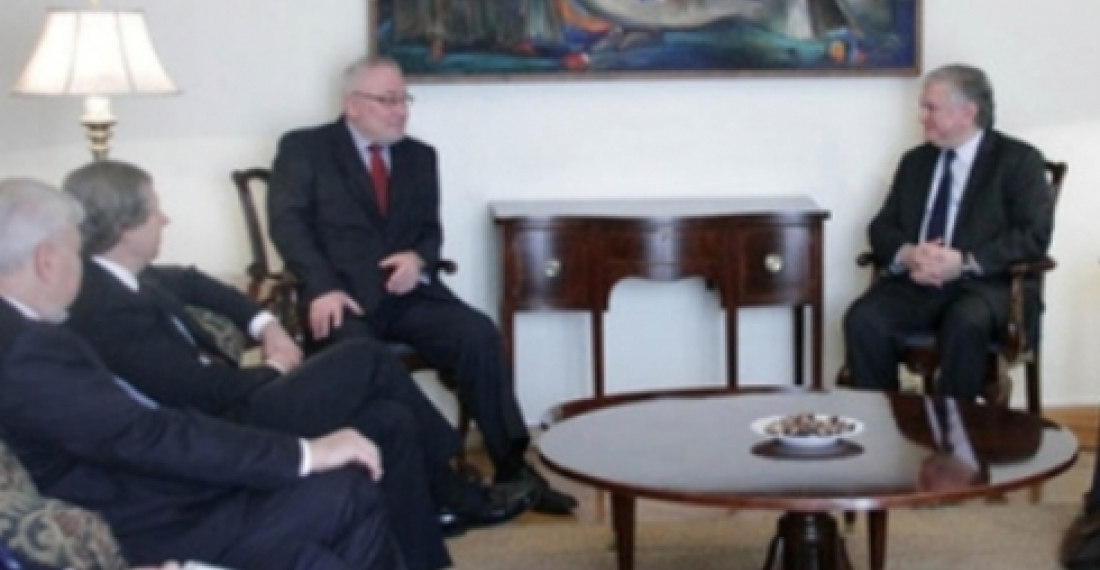
фото: Сопредседатель Минского процесса ОБСЕ встретились с министром иностранных дел Армении Эдвардом Налбандяном в Ереване во вторник, 17 февраля 2015 года (фото предоставлено пресс-службой МИД Армении).

Related articles

Editor's choice
News
Borrell tells the European Parliament that the situation in Afghanistan was critical, but the EU will remain engaged

Borrell tells the European Parliament that the situation in Afghanistan was critical, but the EU will remain engaged

Borrell underlined that the European Union will make every effort to support the peace process and to remain a committed partner to the Afghan people. "Of course, we will have to take into account the evolving situation, but disengagement is not an option.  We are clear on that: there is no alternative to a negotiated political settlement, through inclusive peace talks.
Editor's choice
News
Germany accuses Russia of cyberattacks and disinformation campaign

Germany accuses Russia of cyberattacks and disinformation campaign

The German government holds Russia responsible for a cyberattack on German air traffic control, and for targeted disinformation campaigns before the last federal election. According to the German Foreign Office in Berlin, the incidents could be clearly attributed to the Russian military intelligence service, the GRU. In response, the Russian ambassador to Berlin was summoned to the Foreign Ministry. "We have been observing a massive increase in threatening hybrid activities by Russia for some time now," a spokesperson for the Foreign Ministry stated. These range from disinformation campaigns and espionage to cyberattacks and sabotage attempts. The aim is to divide society, sow distrust, and undermine confidence in democratic institutions. The spokesperson added that with these actions, Russia is "very concretely threatening our security, not only through its war of aggression against Ukraine, but also here in Germany."  The Foreign Ministry spokesperson explained that the cyberattack on air traffic control in August 2024 was clearly attributed to the hacker collective "APT28," known as "Fancy Bear," and to the responsibility of the Russian military intelligence service, the GRU. Furthermore, it could now be "conclusively stated" that Russia had attempted "to influence and destabilize both the last Federal election and the ongoing internal affairs of the Federal Republic of Germany." There was "absolutely irrefutable evidence" for this". The so-called "Storm 1516" campaign, which has been running since 2024, is allegedly backed by "reliable information" that the Moscow-based think tank "Center for Geopolitical Expertise" is behind it. The Center is also said to be supported by Russian military intelligence. Its primary aim is to influence democratic elections in the West. (Click the image to read more).

Popular

Editor's choice
News
Germany accuses Russia of cyberattacks and disinformation campaign

Germany accuses Russia of cyberattacks and disinformation campaign

The German government holds Russia responsible for a cyberattack on German air traffic control, and for targeted disinformation campaigns before the last federal election. According to the German Foreign Office in Berlin, the incidents could be clearly attributed to the Russian military intelligence service, the GRU. In response, the Russian ambassador to Berlin was summoned to the Foreign Ministry. "We have been observing a massive increase in threatening hybrid activities by Russia for some time now," a spokesperson for the Foreign Ministry stated. These range from disinformation campaigns and espionage to cyberattacks and sabotage attempts. The aim is to divide society, sow distrust, and undermine confidence in democratic institutions. The spokesperson added that with these actions, Russia is "very concretely threatening our security, not only through its war of aggression against Ukraine, but also here in Germany."  The Foreign Ministry spokesperson explained that the cyberattack on air traffic control in August 2024 was clearly attributed to the hacker collective "APT28," known as "Fancy Bear," and to the responsibility of the Russian military intelligence service, the GRU. Furthermore, it could now be "conclusively stated" that Russia had attempted "to influence and destabilize both the last Federal election and the ongoing internal affairs of the Federal Republic of Germany." There was "absolutely irrefutable evidence" for this". The so-called "Storm 1516" campaign, which has been running since 2024, is allegedly backed by "reliable information" that the Moscow-based think tank "Center for Geopolitical Expertise" is behind it. The Center is also said to be supported by Russian military intelligence. Its primary aim is to influence democratic elections in the West. (Click the image to read more).

