Армения и ЕС начнут переговоры для выявления новых основ их отношений.

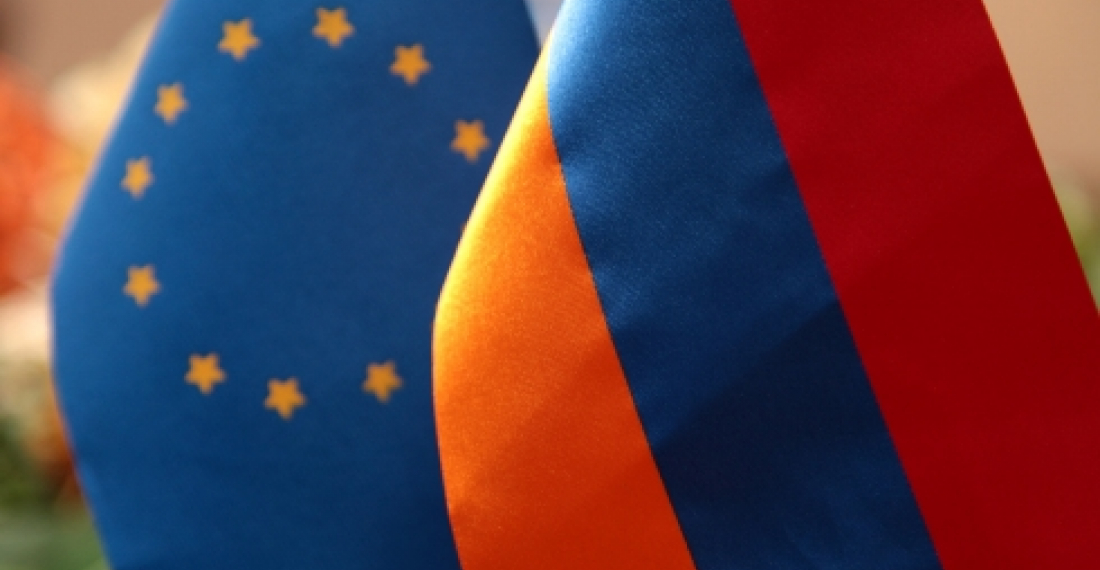
Армянские дипломаты и их коллеги из Европейского Союза начали процесс определения основ, на которых можно будет выстраивать их будущие отношения после того, как Армения официально вступит в Евразийский союз под руководством России.

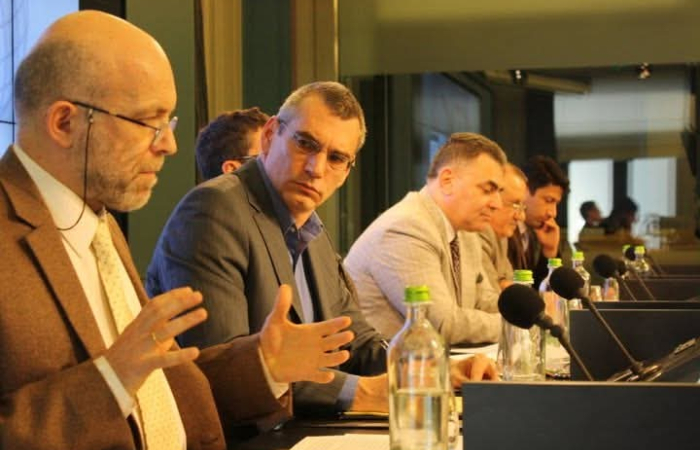
На пресс-конференции в пятницу посол Германии в Армении сообщил, что встреча запланирована на ноябрь.

"Переговоры будут продолжены, и формат сотрудничества между Арменией и ЕС будет уточнен. Формат взаимодействия с ЕС станет яснее после 10 октября, когда Армения вступит в Евразийский союз", сказал Райнер Морелл.

Чиновники ЕС затронут сложный вопрос взаимоотношений с Арменией после того как страна официально вступит 1 января 2015 года в Евразийский союз и присоединится к Беларуси, Казахстану и России.

Путин ратифицировал договор в пятницу (3 октября). В ближайшую пятницу (10 октября) он встретится в Минске с президентом Беларуси Лукашенко и президентом Казахстана Назарбаевым, где они обменяются ратификационными грамотами.

Вице-премьер России Игорь Шувалов заявил на прошлой неделе, что "договор, предусматривающий вступление Армении в Евразийский экономический союз уже разработан".

Ложная дихотомия?

В своей речи в Нью-Йорке 26 сентября, президент Армении отверг идею того, что Армения стоит перед бинарным выбором между ЕС и ЕЭС:

"В наши дни, когда межгосударственные границы становятся всё более прозрачными и формируются межконтинентальные единые экономические зоны, бессмысленно говорить о противоречиях различных систем и строить собственную внешнюю политику на основе этих противоречий.

“Мы стараемся разработать такие механизмы сотрудничества с нашими партнерами, которые сопоставляются, а не противостоят. Это не просто слова. Таков наш образ мышления, наша ежедневная работа, наше видение, и мы пришли к этому на основании собственного опыта”, - подчеркнул Саргсян.

Прошлым летом Армения вступила в сложные переговоры по Соглашению о глубокой и всеобъемлющей свободной торговле (DCFTA) с Европейским Союзом. Тем не менее, соглашение о свободной торговле с Россией в конечном итоге оказалось более привлекательным. Чиновники ЕС на этот раз подходят к ним очень осторожно. В Брюсселе есть мнение, что Армения уже сделала выбор и, теперь должна жить с его последствиями. Однако, ЕС по-прежнему заинтересован в хороших отношениях с этой страной, а также в продвижении принципов хорошего государтсвенного управления.

"Переговоры находятся в подготовительной стадии, и мы работаем с нашими армянскими партнерами," заявил журналистам Траян Христя, глава делегации ЕС в Армении. "Очень скоро у нас состоится двусторонняя встреча, направленная на подготовку нового пакета предложений."

источник: commonspace.eu по материалам агентств.
Related articles

Editor's choice
News
Women emerge favourite to lead United Nations from next year, after straw-poll of UN Security Council members

Women emerge favourite to lead United Nations from next year, after straw-poll of UN Security Council members

​ Two women have emerged as favourite to lead the United Nations as Secretary-General from 1 January 2027, when the term of the present incumbent, Antonio Gutteres, expires. A straw poll of the members of the UN Security Council, held on Thursday, 30 July showed that of the seven candidates, Rebecca Grynspan of Costa Rica and Carolyn Rodriguez-Birkett of Guyana received ten and nine positive endorsements respectively, by the 15 members UN Security Council Although the poll and its result are supposed to be secret, the result leaked within minutes, and was carried on world media outlets, such as Reuters. The result was as follows   Michelle Bachelet 6 encourage 5  discourage   4 no opinion María Fernanda Espinosa 5 2 8 Rafael Grossi 7 2 6 Rebeca Grynspan 10 1 4 Olara Otunnu 2 5 8 Carolyn Rodrigues-Birkett 9 2 4 Macky Sall 6 7 2   Article 97 of the UN Charter states that the “Secretary-General shall be appointed by the General Assembly upon the recommendation of the Security Council”. Straw polls are informal ballots used to determine the viability of Secretary-General candidates.  The seven current candidates are: Michelle Bachelet Jeria (Chile), who was nominated by Brazil, Chile, and Mexico on 2 February, with Chile withdrawing its nomination on 24 March; María Fernanda Espinosa Garcés (Ecuador), who was nominated by Antigua and Barbuda on 11 May; Rafael Mariano Grossi (Argentina), who was nominated by Argentina on 26 November 2025; Rebeca Grynspan Mayufis (Costa Rica), who was nominated by Costa Rica on 3 March; Olara Otunnu (Uganda), who was nominated by Uganda on 24 July; Carolyn Rodrigues Birkett (Guyana), who was nominated by Guyana on 15 June; and Macky Sall (Senegal), who was nominated by Burundi on 2 March. At Thursday's straw poll, there was no difference between the ballots presented to the five permanent members (P5) and the ten elected members (E10). Council members received one ballot per candidate, containing the candidate’s name followed by three options: “encouraged”, “discouraged”, and “no opinion expressed”.   It is ofcourse early days, and the straw poll is just an informal indication of the mood of the UN Security Council, but the strong showwing by the two womencandidates may be an indication that for the first time, the head of the UN can be a women. (click image to read more) ​

Popular

Editor's choice
Interview
Thursday Interview: Murad Muradov

Thursday Interview: Murad Muradov

Today, commonspace.eu starts a new regular weekly series. THURSDAY INTERVIEW, conducted by Lauri Nikulainen, will host  persons who are thinkers, opinion shapers, and implementors in their countries and spheres. We start the series with an interview with Murad Muradov, a leading person in Azerbaijan's think tank community. He is also the first co-chair of the Action Committee for a new Armenian-Azerbaijani Dialogue. Last September he made history by being the first Azerbaijani civil society activist to visit Armenia after the 44 day war, and the start of the peace process. Speaking about this visit Murad Muradov said: "My experience was largely positive. My negative expectations luckily didn’t play out. The discussions were respectful, the panel format bringing together experts from Armenia, Azerbaijan, and Turkey was particularly valuable during the NATO Rose-Roth Seminar in Yerevan, and media coverage, while varied in tone, remained largely constructive. Some media outlets though attempted to represent me as more of a government mouthpiece than an independent expert, which was totally misleading.  Overall, I see these initiatives as important steps in rebuilding trust and normalising professional engagement. The fact that soon a larger Azerbaijani civil society visits to Armenia followed, reinforces the sense that this process is moving in the right direction." (click the image to read the interview in full)