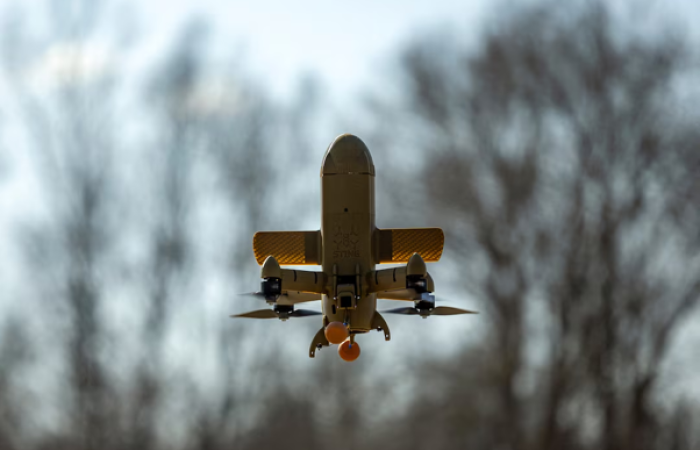
Армения и Азербайджан внимательно следят друг за другом. Но все ли они видят, или видят только то, что хочет Россия?
Армения и Азербайджан тратят огромные усилия для контроля военного потенциала и перемещений друг друга. Две страны повязли в конфликте между собой на протяжении последних двух десятилетий. В то время как основные боевые действия закончились с соглашением о прекращении огня в 1994 году, мирный договор все же не был подписан, и оба государства находятся в состоянии войны. Время от времени миру выдается возможность увидеть мельком до какой степени две страны контролируют военные действия друг друга.

Вчера президент Армении Серж Саргсян посетил Центр анализа и оценки угроз национальной безопасности, который является частью Совета национальной безопасности Армении, где представители Центра ознакомили армянского лидера с проделанной работой и дальнейшими программами. Интересно, что во время визита Саргсяна его сопровождали генеральный секретарь Организации Договора о коллективной безопасности (ОДКБ) Николай Бордюжа, который стал частым гостем в Ереване, и президент компании Ростелеком Сергей Калугин, добавив спекуляции о том, что президент ознакамливался с новым оборудованием, которое было получено, или же планируется получить.

В тот же день, возможно, случайно, а может и нет, командующий войсками ПВО Азербайджана, генерал-майор Алтай Мехтиев, в редком выступлении перед прессой, заявил, что Азербайджан теперь владеет оборудованием, которое способно "засечь взлетевший на высоту 10 метров самолет с ереванского аэропорта "Звартноц"". Генерал сообщил, что Азербайджан обладает одними из самых мощных систем противоздушной обороны на постсоветском пространстве, которые имеются на вооружении всего лишь нескольких стран. Как сообщает агентство АПА, системы, которыми обладает Азербайджан полностью обеспечивают защиту воздушного пространства страны.

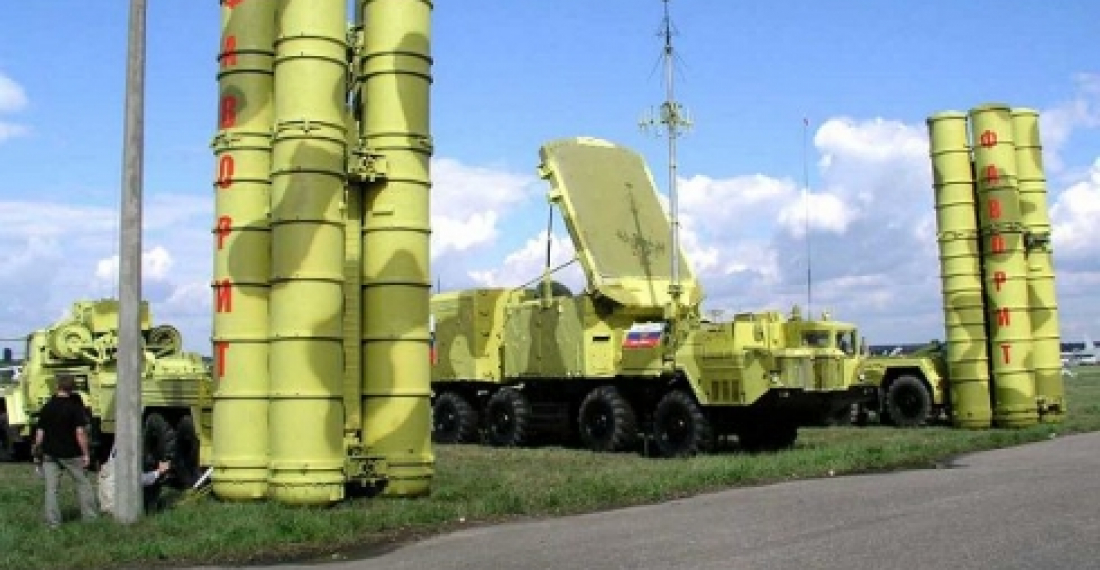
Агентство отметило, что за прошедшие годы официальный Баку приобрел заграницей современные зенитно-ракетные комплексы и средства радиолокации. Среди них по своим возможностям самыми мощными являются приобретенные в России в 2011 году зенитно-ракетные комплексы S300 ПМУ-2 «Фаворит». Также сообщается, что все военные и гражданские самолеты Азербайджана уже оснащены системой опознания «свой-чужой» (İFF). Это дает возможность моментально распознавать все самолеты, вошедшие в воздушное пространство республики

В то же время, другой азербайджанский медиа источник, веб-портал 1news.az, опубликовал вчера статью о передаче Россией армянским военным оборудования с военной базы в Гюмри. Ссылкой на дипломатические источники в Вене,  медиа портал сообщает, что во время недавней инспекции в рамках Договора об обычных вооруженных силах в Европе (ДОВСЕ) были обнаружены две незарегистрированные военные базы и 283 единицы военной техники, включая 76 танков и 60 бронемашин. Обнаруженная техника совпадает со списком техники, которая была раннее списана Россией со своей базы в Гюмри, в то время как на самом деле она была передана армянской армии в нарушение Договора. К тому же, агентство попыталось убить двух зайцев одним выстрелом, сообщив, что интерес европейских стран к нарушениям Россией и Арменией договора ДОВСЕ связан с недавним решением Армении отказаться от планов подписать соглашение об ассоциации с ЕС и присоединиться к основанному Россией Таможенному союзу.

В своем комментарии политический редактор Commonspace.eu сообщает: "Хорошо известно, что военные и спецслужбы Армении и Азербайджана внимательно следят друг за другом. В ситуации, когда между двумя странами нет доверия такой мониторинг необходим и во многом полезен, так как это уменьшает шансы на неправильное восприятие. C другой неправильное восприятие остается наиболее опасной проблемой. Шаг, сделанный одной стороной, может быть неверно истолкован другой. Одно дело видеть это, но понимание того, что вы видите, это совсем другое дело. Вокруг всего этого опасения вызывает роль России, которая, кажется, снабжает техникой обе стороны, что приводит к вопросу, все ли видят Армения и Азербайджан, или видят только то, что хочет Россия?"


Источник: commonspace.eu по материалам APA, 1news.az, и армянских СМИ.

фото: Зенитно-ракетные комплексы S300 ПМУ-2 «Фаворит», которые Азербайджан закупил в России в 2011 году

Related articles

Editor's choice
News
Pope Leo XIV, has called on world leaders to lay down their weapons and choose “encounter” over domination

Pope Leo XIV, has called on world leaders to lay down their weapons and choose “encounter” over domination

The leader of the Catholic Church, Pope Leo XIV, has called on world leaders to lay down their weapons and choose “encounter” over domination. “Let those who have weapons lay them down!”, the Pope urged on Easter Sunday in his traditional Urbi et Orbi message. Speaking to the tens of thousands of pilgrims gathered in St Peter's Square, Pope Leo urged "those who have the power to unleash wars" to chose peace.  This should not be a peace “imposed by force”, he stressed, but one achieved through dialogue – “not with the desire to dominate others, but to encounter them”. Pope Leo warned that the world is “growing accustomed to violence”. We are “becoming indifferent”, he said, not only to the deaths of thousands of people, but to the “hatred and division” war causes, as well as its “economic and social consequences”. Borrowing a phrase from the late Pope Francis, Pope Leo warned of the “ever-increasing ‘globalisation of indifference’”. “We cannot continue to be indifferent!”, he urged. “We cannot resign ourselves to evil!”. For this reason, he said, he would be leading a prayer vigil for peace next Saturday, April 11th, in St Peter’s Basilica.
Editor's choice
News
Israel destroys 17 UNIFIL Cameras

Israel destroys 17 UNIFIL Cameras

Israeli forces destroyed 17 surveillance cameras linked to the United Nations peacekeepers’ main headquarters in southern Lebanon in 24 hours, a UN security official told AFP on Saturday. Since the start of the Israel-Hezbollah war on March 2, the UN Interim Force in Lebanon (UNIFIL) has been caught in the crossfire in the country’s south, with Hezbollah launching attacks on Israel and its troops, and Israeli forces pushing into border towns. The official, who requested anonymity, said “17 of the headquarters’ cameras have been destroyed by the Israeli army” in the coastal town of Naqura. UNIFIL spokeswoman Kandice Ardiel told AFP on Saturday that “the cameras appear to have been destroyed by some kind of laser.” She added that “(Israeli) soldiers are present in Naqura and have been undertaking massive demolitions of buildings in the village this week.” Earlier this week, Ardiel told AFP that “not only have these demolitions destroyed civilian homes and businesses, but the strength of the blasts have caused damage to UNIFIL’s headquarters.” Three Indonesian peacekeepers from the UN force have been killed in two separate incidents over the past week. UNIFIL also reported Friday an “explosion” in one of its bases near Odaisseh in south Lebanon that wounded three personnel, adding that they “do not yet know the origin of the explosion.” The Israeli army accused Hezbollah of firing “a rocket that landed in a UNIFIL outpost.” The UN office in Jakarta said on Saturday the wounded were Indonesian. Indonesia condemned the incident as “unacceptable,” saying “these events underscore the urgent need to strengthen protection for UN peacekeeping forces amid an increasingly dangerous conflict situation.” According to the UN, 97 force members have been killed in violence since its establishment in 1978 to monitor the withdrawal of Israeli forces after they invaded Lebanon.

Popular

Editor's choice
Interview
Thursday Interview: Murad Muradov

Thursday Interview: Murad Muradov

Today, commonspace.eu starts a new regular weekly series. THURSDAY INTERVIEW, conducted by Lauri Nikulainen, will host  persons who are thinkers, opinion shapers, and implementors in their countries and spheres. We start the series with an interview with Murad Muradov, a leading person in Azerbaijan's think tank community. He is also the first co-chair of the Action Committee for a new Armenian-Azerbaijani Dialogue. Last September he made history by being the first Azerbaijani civil society activist to visit Armenia after the 44 day war, and the start of the peace process. Speaking about this visit Murad Muradov said: "My experience was largely positive. My negative expectations luckily didn’t play out. The discussions were respectful, the panel format bringing together experts from Armenia, Azerbaijan, and Turkey was particularly valuable during the NATO Rose-Roth Seminar in Yerevan, and media coverage, while varied in tone, remained largely constructive. Some media outlets though attempted to represent me as more of a government mouthpiece than an independent expert, which was totally misleading.  Overall, I see these initiatives as important steps in rebuilding trust and normalising professional engagement. The fact that soon a larger Azerbaijani civil society visits to Armenia followed, reinforces the sense that this process is moving in the right direction." (click the image to read the interview in full)