


20 лет режиму прекращения огня: успех или провал?

Соглашение о прекращении огня, которое вступило в силу 12 мая 1994 года остается основой хрупкого существования для сотен тысяч людей в области карабахского конфликта.

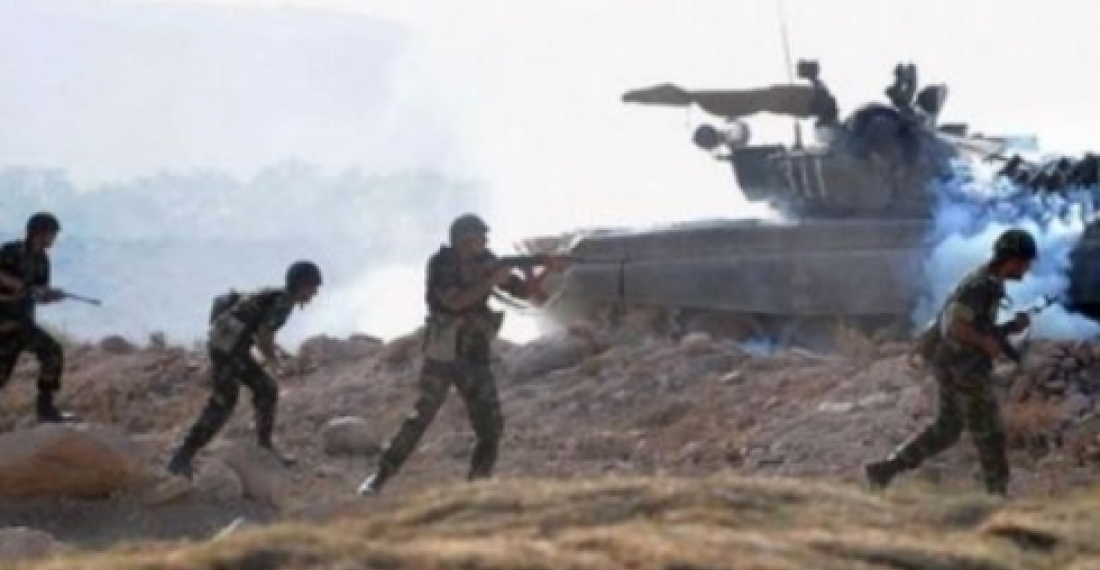
Двадцать лет прошло с тех пор как стороны договорились о прекращении огня, положивший конец военным действиям между армянскими и азербайджанскими силами. Конфликт в регоине привел к хаосу, с десятками тысяч погибших и получивших ранение, и сотни тысяч людей, вынужденно перемещенных лиц. Некоторые считают, что прекращение огня было важным и необходимым шагом, который обеспечил мир в регионе на протяжении последних двух десятилетий. За соглашением о прекращении огня не ведется мониторинга. Нет миротворческих сил, которые бы разделяли стороны так, как это на Кипре и на Голанских высотах, и даже нет элементарного наблюдения за этим процессом. Небольшое количество наблюдателей ОБСЕ время от времени  посещают зону конфликта. Когда происходят иинциденты их там нет. А инциденты случаются часто. Нарушения прекращения огня уносят жизни десятков людей и приводит к ранениям каждый год. Жертвы есть как среди гражданских так и военных. Некоторые утверждают, что прекращение огня практически заморозило конфликт, сделав его решение более трудным, но другие утверждают, что худой мир лучше войны и, что первоочередной задачей является обеспечение и усиление режима прекращения огня т.к. он остается основой хрупкого существования для сотен тысяч людей, которые живут вокруг зоны конфликта.

По случаю 20-летия соглашения о прекращении огня сопредседатели Минского процесса ОБСЕ - механизм, которому поручено международным сообществом помочь разрешению конфликта - опубликовали необычно длинное заявление, в котором обратились к сторонам с просьбой взять на себя обязательство активизировать программы направленные на контакты между людьми и мер по укреплению доверия для укрепления самого мирного процесса.

В заявлении говорится:

"В связи с двадцатой годовщиной соглашения о прекращении огня в 1994 году, сопредседатели Минской группы ОБСЕ по урегулированию нагорно-карабахского конфликта предложили жителям региона задуматься о достижениях последних двух десятилетий.

Это соглашение положило конец войне, остановило трагическое насилие предыдущих лет и заложило основу для переговоров, которые открыли сторонам путь к миру. Благодаря достигнутому перемирию выросло новое поколение армян и азербайджанцев, которое не знало ужасов войны.Стороны должны сделать все возможное, чтобы защитить будущие поколения от такого опыта.

Перемирие, однако, не решило конфликта. Оно оставило территории вокруг Нагорного Карабаха оккупированными и оказалось не в состоянии обеспечить прогресс в вопросе статуса Нагорного Карабаха. Отсутствие окончательного урегулирования привело к перемещению сотен тысяч людей, вечной угрозе эскалации насилия вдоль границы и линии соприкосновения, а также посеяло заблуждение у некоторых людей, что статус-кво может быть устойчивым и продлиться на неопределенный срок.

Стороны не проявляют большого желания для того, чтобы воспользоваться возможностями, открывающимися благодаря усилиям стран сопредседателей или принять политические решения, необходимые для прогресса в этом процессе мирного урегулирования.

Мы остаемся сторонниками единой позиции по этому конфликту и по-прежнему твердо привержены оказанию помощи сторонам в достижении мирного урегулирования в скорейшие сроки на основе основных принципов Устава ООН и Хельсинкского Заключительного акта, в частности, касающихся неприменения силы, территориальной целостности, равноправия и права на самоопределение народов. Урегулирование должно включать в себя элементы, изложенные президентами стран-сопредседателей в заявлениях с 2009 по 2013, которые включают возвращение территорий вокруг Нагорного Карабаха, промежуточный статус для Нагорного Карабаха, гарантии безопасности и самоуправления, коридор, связывающий Армению с Нагорным Карабахом, а также решение окончательного статуса Нагорного Карабаха, который будет определен в будущем путем имеющего обязательную юридическую силу волеизъявления его населения; право всех внутренне перемещенных лиц и беженцев на возвращение, и международные гарантии безопасности, в том числе миротворческие силы. В ноябре мы увидели перспективную возобновление диалога на самом высоком уровне. Мы призываем стороны вступить в конструктивные, добросовестные переговоры, которые приведут к мирному соглашению на основе этих элементов в целях достижения прочного урегулирования на конфликта.

Подобное урегулирование не будет возможным без наличия доверия и взаимопонимания между гражданами Армении и Азербайджана. Мы призываем стороны к активизации программ диалога между гражданами и мер укрепления доверия и безопасности для укрепления миротворческого процесса.

Армяне и азербайджанцы заслуживают того, чтобы жить в мире и безопасности, и мы готовы этому помочь. Стороны должны принять необходимые меры по обеспечению мира. Когда они это сделают, они получат полную поддержку ОБСЕ и международного сообщества".

Источник: commonspace.eu по материалам OSCE.org

Related articles

Editor's choice
News
Germany accuses Russia of cyberattacks and disinformation campaign

Germany accuses Russia of cyberattacks and disinformation campaign

The German government holds Russia responsible for a cyberattack on German air traffic control, and for targeted disinformation campaigns before the last federal election. According to the German Foreign Office in Berlin, the incidents could be clearly attributed to the Russian military intelligence service, the GRU. In response, the Russian ambassador to Berlin was summoned to the Foreign Ministry. "We have been observing a massive increase in threatening hybrid activities by Russia for some time now," a spokesperson for the Foreign Ministry stated. These range from disinformation campaigns and espionage to cyberattacks and sabotage attempts. The aim is to divide society, sow distrust, and undermine confidence in democratic institutions. The spokesperson added that with these actions, Russia is "very concretely threatening our security, not only through its war of aggression against Ukraine, but also here in Germany."  The Foreign Ministry spokesperson explained that the cyberattack on air traffic control in August 2024 was clearly attributed to the hacker collective "APT28," known as "Fancy Bear," and to the responsibility of the Russian military intelligence service, the GRU. Furthermore, it could now be "conclusively stated" that Russia had attempted "to influence and destabilize both the last Federal election and the ongoing internal affairs of the Federal Republic of Germany." There was "absolutely irrefutable evidence" for this". The so-called "Storm 1516" campaign, which has been running since 2024, is allegedly backed by "reliable information" that the Moscow-based think tank "Center for Geopolitical Expertise" is behind it. The Center is also said to be supported by Russian military intelligence. Its primary aim is to influence democratic elections in the West. (Click the image to read more).
Editor's choice
News
NATO Chief says war is on Europe's doorstep, and warns against complacency

NATO Chief says war is on Europe's doorstep, and warns against complacency

Russia could attack a NATO country within the next five years, the Secretary General of NATO, Mark Rutte, said in a stark new warning. "NATO's own defences can hold for now," Rutte warned in Berlin, but conflict was "next door" to Europe, and he feared "too many are quietly complacent, and too many don't feel the urgency, too many believe that time is on our side. "Russia is already escalating its covert campaign against our societies," Rutte said in a speech in Germany. "We must be prepared for the scale of war our grandparents or great-grandparents endured." Earlier this month, Russia's President Vladimir Putin said his country was not planning to go to war with Europe, but it was ready "right now" if Europe wanted to - or started a war. But similar reassurances were given by Moscow in 2022, just before 200,000 Russian troops crossed the border and invaded Ukraine. Putin has accused European countries of hindering US efforts to bring peace in Ukraine - a reference to the role Ukraine's European allies have recently played in trying to change a US peace plan to end the war, whose initial draft was seen as favouring Russia. But Putin was not sincere, Nato's secretary-general said in the German capital, Berlin. Supporting Ukraine, he added, was a guarantee for European security. "Just imagine if Putin got his way; Ukraine under the boot of Russian occupation, his forces pressing against a longer border with Nato, and the significantly increased risk of an armed attack against us." Russia's economy has been on a war footing for more than three years now - its factories churn out ever more supplies of drones, missiles and artillery shells. According to a recent report by the Kiel Institute for the World Economy, Russia has been producing each month around 150 tanks, 550 infantry fighting vehicles, 120 Lancet drones and more than 50 artillery pieces. The UK, and most of its Western allies, are simply not anywhere near this point. Analysts say it would take years for Western Europe's factories to come close to matching Russia's mass-production of weapons. "Allied defence spending and production must rise rapidly, our armed forces must have what they need to keep us safe," the Nato chief said.

Popular

Editor's choice
News
Germany accuses Russia of cyberattacks and disinformation campaign

Germany accuses Russia of cyberattacks and disinformation campaign

The German government holds Russia responsible for a cyberattack on German air traffic control, and for targeted disinformation campaigns before the last federal election. According to the German Foreign Office in Berlin, the incidents could be clearly attributed to the Russian military intelligence service, the GRU. In response, the Russian ambassador to Berlin was summoned to the Foreign Ministry. "We have been observing a massive increase in threatening hybrid activities by Russia for some time now," a spokesperson for the Foreign Ministry stated. These range from disinformation campaigns and espionage to cyberattacks and sabotage attempts. The aim is to divide society, sow distrust, and undermine confidence in democratic institutions. The spokesperson added that with these actions, Russia is "very concretely threatening our security, not only through its war of aggression against Ukraine, but also here in Germany."  The Foreign Ministry spokesperson explained that the cyberattack on air traffic control in August 2024 was clearly attributed to the hacker collective "APT28," known as "Fancy Bear," and to the responsibility of the Russian military intelligence service, the GRU. Furthermore, it could now be "conclusively stated" that Russia had attempted "to influence and destabilize both the last Federal election and the ongoing internal affairs of the Federal Republic of Germany." There was "absolutely irrefutable evidence" for this". The so-called "Storm 1516" campaign, which has been running since 2024, is allegedly backed by "reliable information" that the Moscow-based think tank "Center for Geopolitical Expertise" is behind it. The Center is also said to be supported by Russian military intelligence. Its primary aim is to influence democratic elections in the West. (Click the image to read more).


