15 июня грузины примут участие в "плюралистических" местных выборах. Джозеф Александр Смит рассматривает политический ландшафт перед голосованием.

В первой из серии статей для commonspace.eu, находящийся в Тбилиси, независимый журналист Джозеф Александр Смит рассматривает политический ландшафт перед выборами в Грузии, которые состоятся 15 июня.

15 июня грузины примут участие в выборах чиновников местного уровня после того как в стране в феврале этого года реформировали системы местного самоуправления. Новый закон Грузии о местном самоуправлении позволяет провезти прямые выборы мэров в 12 городах по всей Грузии и избрать всех глав муниципальных образований в стране. Ранее граждане могли выбрать только мэра Тбилиси.

Ожидается, что правящая коалиция "Грузинская мечта" консолидирует успехи, достигнутые на выборах полтора года назад. Коалицию тогда возглавлял бизнесмен-миллиардер Бидзина Иванишвили, которое победил Единое национальное движение президента Михаила Саакашвили на парламентских выборах в октябре 2012 года, что и положило конец 9-летнему правлению ЕНД.

В прошлом году сам Саакашвили, завершив второй президентский срок, был смещен с поста главы государства кандидатом от Коалиции "Грузинская мечта" Георгием Маргвелашвили. С выборами также прошли конституционные изменения, в результате которых многие ключевые полномочия президента перешли к премьер-министру.

До сих пор ЕНД сохраняла контроль над кабинетом мэра Тбилиси, хотя мэр Гиги Угулава, который был избран в 2010 году, был отстранен от должности решением городского суда Тбилиси после предъявленных обвинений в неразумных тратах государственных средств. Это вызвало обеспокоенность, как внутри страны, так и среди стран ЕС и США партнеров Грузии, из-за страха "охоты на ведьм" в отношении должностных лиц ЕНД. Конституционный суд Грузии принял решение, которое позволяет Угулаве обжаловать обвинение. Чтобы развеять любые дальнейшие осложнения, премьер-министр Ираклий Гарибашвили объявил мораторий на преследования должностных лиц в преддверии выборов.

Базирующийся в США Национальный демократический институт (НДИ) направил миссию для анализа предвыборной ситуации в конце апреля, заключив, что политический климат в стране характеризуется как "плюрализм и активизм", "поляризация остается проблемой".

По заявлению НДИ, "избиратели уверенны в результатах 2012 парламентских и 2013 президентских выборов, когда произошла мирная передача власти ... С приближением местных выборов 15 июня, избирательная комиссия полностью готова для поддержки надежного процесса, и нормативно-правовая база, оставаясь открытой для совершенствований, обеспечивает прочную основу".

Миссия НДИ также указал на некоторые проблемные области, заявив, что "усилия по делегитимации и криминализации политических противников по-прежнему остается обычным явлением. Линия между государством и партией остается размытой. Сообщения о политически мотивированным преследованиях пятнаяют яркий политический ландшафт".

Гражданское общество в Грузии также выражает озабоченность в связи с положением в новом законе местного самоуправления, которое позволяет местным советам проголосовать против избранного мэра или главы муниципального образования (гамгебели на грузинском). В совместном заявлении трех ведущих НПО говорится, что положение "ослабляет важность института непосредственно избранных мэров и гамгебели" и делает их зависимыми от местных советов в целях политической поддержки.

Новое законодательство также столкнулось с оппозицией со стороны Церкви в декабре прошлого года, когда лидер Грузинской Православной Церкви, Патриарх Илия II назвал закон «угрозой», которая может привести к "дезинтеграции" грузинского государства. Политик из Христианско-демократического движения также предположил, что новая правовая основа может привести к "региональному сепаратизму". В ответ на эту критику, группа из 23 НПО призвали правительство не"приостанавливать процесс реформ" и не "отходить" от ключевого предвыборного обещания "ориентированных на самоуправление".

В общей сложности в Центральной избирательной комиссии Грузии были зарегистрированы 87 кандидатов в мэры, представляющих 20 политических партий и 4 избирательных блока. Коалиция "Грузинская мечта", которая лидирует в опросах общественного мнения, объединяет шесть партий, в том числе Республиканскую партию и министра обороны Ираклия Аласания свободных Демократов. ЕНД все еще во главе с Саакашвили, является крупнейшей  оппозиционной партией, удерживая 65 из 150 мест в парламенте. Коалиция во главе с Нино Бурджанадзе, бывшим союзником Саакашвили и ключевой фигурой в революции роз 2003 года, находится на третьем месте.

Наиболее интересными будут выборы мера в Тбилиси, где кандидат от "Грузинской мечты" бывший министр инфраструктуры Давид Нармания, столкнется с кандидатом ЕНД Никой Мелиа, главой района Мтацминда. Несмотря на поддержку правящей партии, электорат Нарманию встретил довольно прохладно, сомневаясь насчет, является ли уроженец западной Грузии, Самегрело, налучшим кандидатом на пост мэра столицы.

В предвыборном опросе по заказу NDI в апреле, Нарманиа был первым с 39% респондентов в столице, за ним Ника Мелиа с 10%. 20% не решили и 13% заявили, что не будут голосовать вообще. Если Нарманиа не преодолеет порог в 50% голосов, то состоится еще один тур выборов мэра Тбилиси.

В других городах, где также будут проходить выборы мэра, "Грузинская мечта" уверенно лидирует в опросах, с 42% голосов респондентов. Тем не менее, не по всем направлениям гарантируется победа целых 35% опрошенных в Батуми не уверены за кого они буду голосовать.

Джозеф Александр Смит независимый журналист из Тбилиси. Он регулярно пишет для национальной газеты Грузия сегодня. Это статья предоставлена им  для commonspace.eu

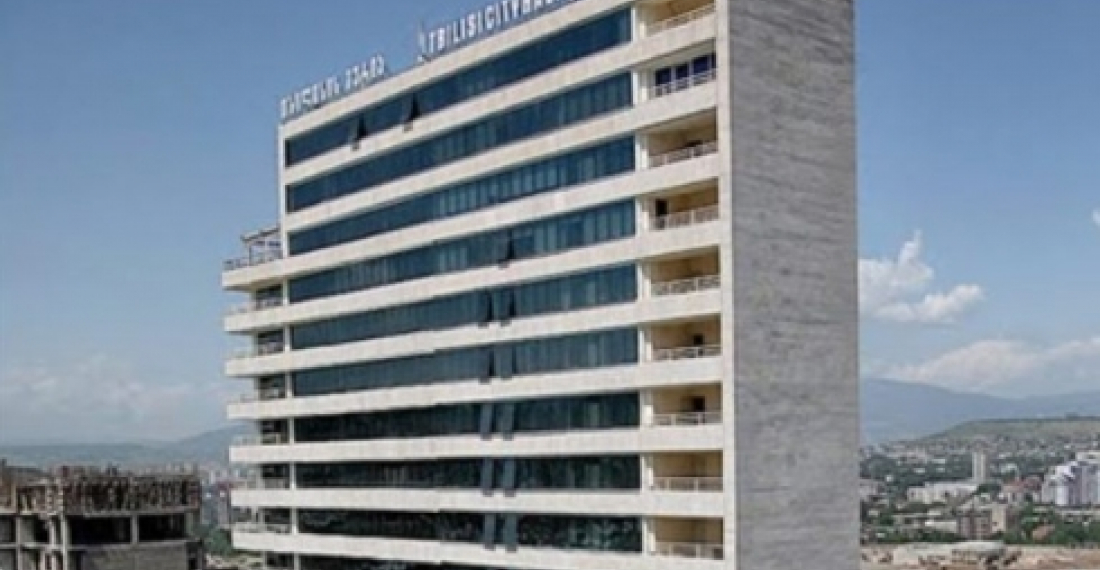
фото: Мэрия города Тбилиси

Related articles

Editor's choice
News
COP 17 in Armenia

COP 17 in Armenia

Armenia is currently hosting the COP17 conference of the Convention on Biological Diversity, which began earlier this week (19 October) and will run until 30 October, bringing around 15,000 participants from 196 different countries to Yerevan. At a leaders' summit held as part of COP17, Prime Minister Nikol Pashinyan expressed realistic ambitions: “We are halfway towards achieving these goals (Kunming-Montreal Global Biodiversity Framework), and we must honestly acknowledge that we are not yet moving in the right direction. Our task now is not to make new promises, but to fulfil the commitments we have already made.” Pashinyan pointed towards Armenia's own records, noting that the whitefish stock in Lake Sevan has increased substantially in the last ten years. Iranian President Masoud Pezeshkian and Georgian Prime Minister Irakli Kobakhidze also addressed the summit, with Turkiye sending its agriculture minister. However, there were no reports of Azerbaijani representatives attending. The conference has given Yerevan a valuable international platform, yet the absence of Azerbaijan is likely to be read as a sign that the peace process in the South Caucasus has not yet been translated into wider regional cooperation. The leaders' summit was opened by Armenian Prime Minister Nikol Pashinyan, who stressed that hosting the conference was a great honour for Armenia. He expressed hope that it would 'be productive and contribute to protecting our planet's biodiversity'. 'We – the citizens of Armenia, the government, state authorities and local governments – owe a debt to our nature,' the prime minister said. He noted that the international community had already developed the concept of 'living in harmony with nature’ and adopted the Kunming-Montreal Global Biodiversity Framework in 2022, setting out goals and specific targets to be achieved by 2030. 'We are halfway towards achieving these goals, and we must honestly acknowledge that we are not yet moving in the right direction. Our task now is not to make new promises, but to fulfil the commitments we have already made,' Nikol Pashinyan said. The COP17 conference is expected to adopt a declaration at leaders' level. More than 30 documents are scheduled for discussion. If approved, the commitments set out in them will become legally binding on countries that are parties to the Convention on Biological Diversity.”
Editor's choice
News
Landmines present to the European Union both a contradiction and a dilemma

Landmines present to the European Union both a contradiction and a dilemma

Finland’s decision to buy one million landmines creates a serious contradiction in the policy of the European Union, and is symbolic of a bigger dilemma facing European countries as they get used to the need to acquire “hard” power to face an increasing threat from Russia. Finland is seeking to acquire one million anti-personnel mines at a cost of 100 million euros. Finland, together with Poland, Latvia, Lithuania and Estonia last year abandoned the Ottawa agreement, the international framework that bans the use of anti-personnel mines, which the EU had been instrumental in establishing and supporting. All five countries cite the threat from Moscow as the reason. Colonel Riku Mikkonen of the Army Command told Finland’s national news agency STT that officials are now gathering information from suppliers regarding the deal, the AFP news agency reports. Helsinki would like domestic manufacturers to supply the mines, with contracts signed by the end of 2027 and production up and running by 2028. “It would be useful in many ways if Finnish companies produced the anti-personnel mines in Finland,” Mikkonen said. About half a dozen Finnish firms qualify, he told STT. “However, at this stage, buying the mines from abroad is not totally ruled out,” he added. LANDMINES PROVIDE THE EU WITH BOTH A CONTRADICTION, AND A DILEMMA Eliminating landmine contamination worldwide is one of the EU’s main soft power postures, and it basks in its record as the biggest funder of anti-landmine action in the world. But the fact that 5 of its 27 member states  have now left the Ottawa Treaty dents the EU moral high ground. It is a contradiction that is too big and important to be ignored. It also presents the European Union with a deeper dilemma. The threat from Russia is changing what the EU has stood for decades, namely a force for good able to mobilise its considerable soft power for the greater good of humanity. How the Union will implement this change will define its future. In the meantime landmines have not become any less lethal, benign, or unimportant. They remain in many parts of the world a major threat to life, an impediment to prosperity, and a potential trigger to further conflict. The 22 EU members states that still adhere to the Ottawa treaty must regroup, and be more assertive in their quest against anti-personnel land mines. All the reasons why they supported the Ottawa treaty in the first place still exist. The message must be clear: NO TO LANDMINES!

Popular

Editor's choice
Interview
Thursday Interview: Murad Muradov

Thursday Interview: Murad Muradov

Today, commonspace.eu starts a new regular weekly series. THURSDAY INTERVIEW, conducted by Lauri Nikulainen, will host  persons who are thinkers, opinion shapers, and implementors in their countries and spheres. We start the series with an interview with Murad Muradov, a leading person in Azerbaijan's think tank community. He is also the first co-chair of the Action Committee for a new Armenian-Azerbaijani Dialogue. Last September he made history by being the first Azerbaijani civil society activist to visit Armenia after the 44 day war, and the start of the peace process. Speaking about this visit Murad Muradov said: "My experience was largely positive. My negative expectations luckily didn’t play out. The discussions were respectful, the panel format bringing together experts from Armenia, Azerbaijan, and Turkey was particularly valuable during the NATO Rose-Roth Seminar in Yerevan, and media coverage, while varied in tone, remained largely constructive. Some media outlets though attempted to represent me as more of a government mouthpiece than an independent expert, which was totally misleading.  Overall, I see these initiatives as important steps in rebuilding trust and normalising professional engagement. The fact that soon a larger Azerbaijani civil society visits to Armenia followed, reinforces the sense that this process is moving in the right direction." (click the image to read the interview in full)